Losing a limb can turn even simple tasks into major challenges. From walking to working, daily routines become harder.
This change can affect a person’s confidence, freedom, and ability to enjoy life. It may even limit job opportunities or time spent with family.
However, there’s hope. Prosthetic devices are helping people across the world regain movement, strength, and control.
With the right support, millions are getting back to what matters most—living fully and staying active.
What Are Prosthetic Devices?
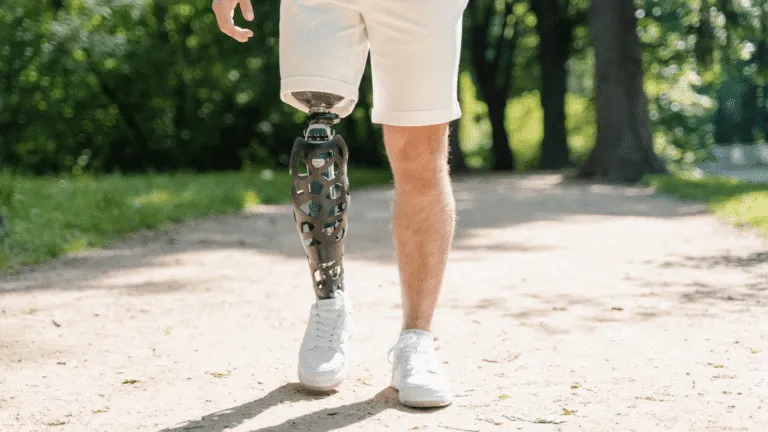
Prosthetic devices are fake limbs that help people move, hold things, or do daily tasks. These devices can replace a missing arm, leg, hand, or foot. They are made for people who lost a body part because of an injury, accident, or health problem. Some people are even born without a limb and need a prosthetic from a young age. Most of these devices are made of plastic, metal, and light materials. They are designed to fit the person’s body and work well for their needs. Many prosthetics bend at the joints so people can move more easily.
For example, a prosthetic knee can help someone walk upstairs or sit down. With better materials and smart designs, these tools are helping more people do things they love.
Types of Prosthetic Devices
Prosthetic devices are classified into four types: legs, arms, hands, and feet. Every kind is made to serve a certain purpose. For example, leg prosthetics help people walk, run, and stand by replacing a missing leg or part of the leg. Foot prosthetics are used for balance and support while walking or standing. Arm prosthetics allow users to lift, push, or carry items, which can make tasks like opening doors or cooking easier. Hand prosthetics are made for gripping, writing, eating, or holding small items. These hand devices range from simple models to complex robotic ones.
Some prosthetic devices are cosmetic, made mostly for appearance rather than function. Others are highly functional and include smart technology like sensors, motors, and touch-sensitive grips. These high-tech options respond to muscle signals or brain impulses, giving the user better control. Special prosthetics are also made for children, athletes, or workers in certain jobs. These designs are often more durable or flexible to match the user’s lifestyle.
Common Types of Prosthetic Devices:
- Leg Prosthetics: Used to help people walk, run, climb stairs, and maintain balance.
- Foot Prosthetics: Designed for stable support and mobility on different surfaces.
- Arm Prosthetics: Allow users to lift, reach, and do tasks like pushing or pulling.
- Hand Prosthetics: Made for holding, gripping, writing, and other fine motor skills.
- Cosmetic Prosthetics: Focused on appearance, not movement, for those who want a natural look.
- Bionic or Myoelectric Prosthetics: Use muscle signals to move artificial limbs electronically.
- Activity-Specific Prosthetics: Made for sports, swimming, hiking, or specific work tasks.
- Pediatric Prosthetics: Designed with kids in mind, and modified as they mature.
With help from doctors, therapists, and prosthetic specialists, users are guided through the fitting and training process. This support ensures the device is both comfortable and useful. Over time, with proper care and learning, many users gain confidence and independence in daily activities.
How Many People Use Them?
According to the Amputee Coalition, around 2 million Americans currently live with limb loss. Around 185,000 amputations happen in the U.S. every year. Many of these are caused by diabetes or poor blood flow, which can lead to the loss of a leg or foot. Others lose limbs in accidents or during military service. Worldwide, over 30 million people need prosthetic devices, but sadly, only a small number get them. The World Health Organization says only 1 in 10 people in need has access. The need is growing each year, especially in aging populations.
As more people live longer and stay active, the demand for better prosthetic options is rising. With this increase, doctors and makers are working hard to provide better choices for everyone.
Why Do People Need Prosthetic Devices?
Prosthetic devices give people their freedom back. Without them, many tasks would be very hard or even impossible. For example, someone with a leg prosthetic can walk to work instead of using a wheelchair. A child with an arm prosthetic can play catch with friends. Soldiers who lost limbs in war often rely on prosthetics to return to daily life. Some people also get these devices after car crashes or bad infections.
In low-income areas, road accidents and lack of healthcare make limb loss more common. Using a prosthetic helps people feel more in control and gives them more chances to do what they want. As a result, prosthetics are not just medical tools—they’re also life tools.
How Prosthetic Devices Are Changing Lives
Prosthetic devices are doing more than replacing lost limbs—they are giving people back control over their lives. These tools are transforming what it means to live with limb loss or difference. From children learning to ride bikes again to adults returning to work, prosthetics open doors that once seemed closed.
Thanks to modern design and new technology, users are regaining confidence, movement, and independence. Each success story shows how prosthetics help people do more than survive—they help them thrive.
Restoring Movement
Prosthetics help people regain their ability to move freely. With devices like prosthetic legs or arms, users can walk, run, or even play sports again. These movements allow people to enjoy life more fully, whether it’s taking a walk in the park or running a marathon.
Building Confidence
When someone gets a prosthetic, it often boosts their confidence. Being able to do activities that were difficult or impossible before makes people feel more like themselves. It helps improve their self-esteem, which can have a huge positive impact on their mental health and well-being.
Improving Daily Tasks
Prosthetic devices make everyday activities easier. Simple tasks like cooking, dressing, or using a phone can become possible again. With a prosthetic hand or foot, people can do things without needing help from others, which restores a sense of independence.
Supporting Careers
Many jobs require walking, standing, or using hands. Prosthetics make it possible for people to return to work and support their families. Whether it’s in an office, a factory, or a healthcare setting, prosthetics allow people to stay employed and contribute to society.
Inspiring Others
Prosthetic users often inspire others who face similar challenges. Hearing success stories from athletes, parents, or soldiers who have regained their abilities motivates others. It shows that even after major life changes, people can still live active and fulfilling lives.
Conclusion
Prosthetic devices are life-changing tools that help people move, work, and connect with others again. They are much more than medical equipment. They offer hope, dignity, and independence. Nowadays prosthetics are smarter, lighter, and more useful than ever before.
While many still face barriers like cost and access, more people are getting the chance to use them each year. With better design and more support, prosthetic users can live full, active lives. In short, prosthetics help people get back to doing what they love most.
Want to learn more about getting the right device for you or your loved one? Reach out to the friendly team at OPC today.