Losing a leg can feel like losing your freedom. That fear is real—and it’s tough. But there is a way forward. Prosthetic legs can help you take back control and rebuild your daily life. With patience and the right support, walking again becomes possible. Every small step leads to big wins. You are not alone—and your next step could change everything. So, Let’s learn more about prosthetic limbs in the article below.
What Are Prosthetic Legs?
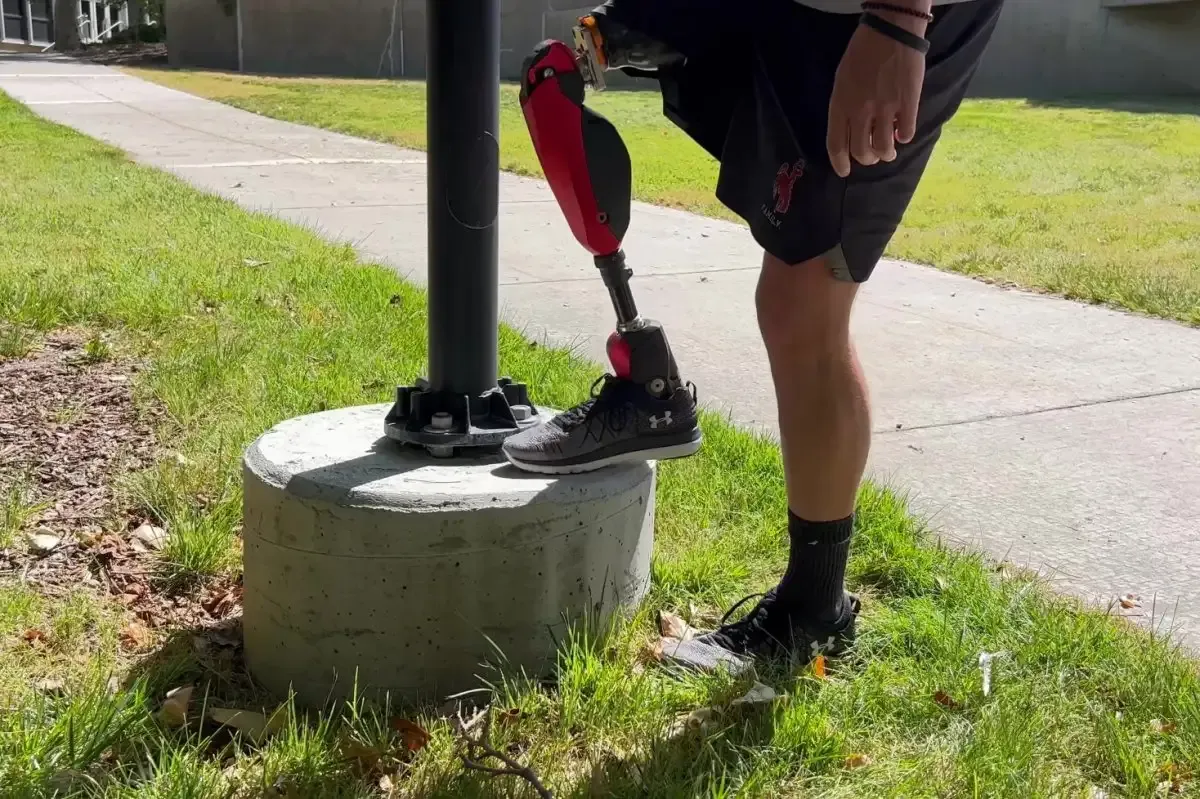
A prosthetic leg is a man-made limb. It replaces a leg that is missing. Some are for below the knee. Others are for above the knee. There are also different designs for kids and adults.
The main parts include:
- A socket that fits over your limb
- A strong support frame
- A foot or knee piece, based on your need
Artificial legs are built for comfort and use. They help you feel balanced. Also, they make daily life easier.
Types of Prosthetic Legs
Not all prosthetic limbs are the same. Some are simple. Others have moving joints. Your lifestyle matters. Here are a few types:
- Basic Prosthetic Legs
These are good for walking short distances. They are light and easy to use. - Sports Prosthetic Legs
Some people want to run or play sports. These Artificial legs are built for that. They are strong and bend well. - Electronic Prosthetic Legs
These come with sensors. They move like a real leg. Also, they adjust to steps and speed.
How Prosthetic Legs Help and Who Might Need One
Losing a leg changes how you move, feel, and live each day. Artificial legs are made to help you to feel good and relax every day. They support walking, improve confidence, and make daily tasks easier again.
How Do Artificial Legs Help?
Artificial legs do more than just replace the look of a missing limb. They help people move again and often boost self-confidence. Many users find it easier to walk, sit, and stand without help. These artificial limbs can make you feel a sense of normal movement and independence.
In addition to mobility, Artificial legs support better health. Walking keeps your heart strong and helps build muscle. It also protects your remaining leg by keeping it active. Being able to move again often lifts your mood and supports mental well-being.
Who Needs a Prosthetic Leg?
People who have lost a leg—whether from an accident, illness, or birth condition—may benefit from an artificial leg. These devices help restore motion and improve quality of life.
Doctors, nurses, and physical therapists work as a team to decide if a prosthetic leg is right for you. They help with fitting, training, and care, making sure everything feels right and works well.
Emotional and Physical Journey with Prosthetic Limb
Losing a limb impacts more than the body—it deeply affects emotions as well. It’s normal to feel sad or overwhelmed. Talking to others, whether friends, family or a support group, can help. Using a prosthetic limb may feel strange at first, but most people adjust over time. Sharing emotions and leaning on loved ones often makes the journey easier and more positive.
Getting Started and Choosing the Right Support
Prosthetic limbs come in many types—from basic models to advanced ones with springs, motors, or motion-sensing chips. While high-tech legs can help with smoother movement, simpler versions still meet many people’s needs. If you’re new to using one, stay patient, ask for help, keep your prosthetic clean, and practice daily. Progress takes time, but it will come. Just as important is choosing a provider who listens, tracks your progress, and makes needed adjustments to help you feel comfortable and supported.
Common Myths About Prosthetic Legs
Many people have the wrong idea about prosthetic limbs. These myths can cause confusion or false hope. Let’s clear up a few common ones:
- Prosthetic legs don’t work right away. You’ll need time, practice, and patience to use them well.
- Not all of them are super high-tech. Some are basic but still help people move around just fine.
- Most people can walk again, but slowly. Progress happens, but it’s not instant. Everyone learns at their own pace.
- They don’t last forever. Over time, your leg may need repairs or a full replacement to keep working properly.
Conclusion
Each step with a prosthetic leg may feel tough at first, but progress comes with time. You’ll face challenges, but you won’t face them alone. Your team is there to guide you, support you, and cheer you on. Little by little, walking turns into living fully again. Stay strong—brighter days are ahead.
At OPC, we believe every step counts. Our team offers support, fittings, and friendly care. Whether it’s your first prosthetic or your fifth, we’re here for you. Let us help you feel steady, strong, and supported. Reach out today and walk forward with confidence.