Regaining Balance Is Possible—Here’s How
In the quiet discomfort of dizziness, the world begins to tilt, spin, and become confused. For millions, this disorientation isn’t just a fleeting inconvenience. It’s a daily disruption. Yet, what if the root cause could be treated, not just managed?
Vestibular therapy offers a science-backed, personalized approach to correcting the body’s balance system. Delivered by trained specialists, it goes beyond temporary relief, aiming for long-term results that rebuild confidence and mobility.
What Is Vestibular Therapy?
Vestibular treatment is a science-based, individualized method for restoring the body’s balance system. The inner ear and brain structures are responsible for balance and eye movement control. When this system is impaired, it can lead to dizziness, vertigo, unsteadiness, and even nausea.
Therapists at OPCRehab use evidence-based techniques to retrain the brain and restore equilibrium. These consist of canalith repositioning techniques, habituation, balancing training, and gaze stabilization.
Who Needs Vestibular Therapy?
Vestibular issues affect people of all ages. Symptoms can follow head injuries, infections, aging, or occur without a clear cause. If someone experiences any of the following, vestibular rehabilitation may be life-changing:
- Persistent dizziness
- Vertigo or spinning sensations
- Balance problems
- Difficulty focusing or blurred vision
- Motion sensitivity
The OPCRehab Difference
At OPCRehab, vestibular rehabilitation isn’t generic. It’s personalized, and guided by detailed evaluations and cutting-edge diagnostic tools. Every treatment plan addresses the individual’s exact impairments, improving both symptoms and quality of life.
Neurologists and audiologists collaborate with their team of trained professionals. This partnership guarantees that the underlying causes of imbalance are found and addressed.
Success Story: From Fear to Freedom
Meet Diane, a 58-year-old teacher from Anchorage. After a fall and subsequent concussion, she couldn’t walk without assistance. Dizziness haunted her every step.
Within weeks of starting vestibular therapy at OPCRehab, her life changed. Through gaze stabilization drills, balance retraining, and positional exercises, Diane regained her independence. Her case is not rare—it’s expected.
The Science That Supports It
Studies from the American Physical Therapy Association reveal that over 80% of patients undergoing vestibular rehabilitation report significant symptom improvement within 6 to 8 weeks.
Another study published in Frontiers in Neurology showed a 65% reduction in fall risk after 12 weeks of vestibular therapy in elderly patients.
Core Components of a Vestibular Therapy Program
A successful vestibular physiotherapy program is built on precision, personalization, and progress. At OPCRehab, each component is carefully designed to target the unique challenges of balance disorders. Here’s what sets their approach apart:
1. Comprehensive Assessment
Every recovery journey starts with a deep understanding of the problem. Patients undergo a full diagnostic evaluation, including:
- Positional Testing to detect BPPV and related conditions
- Eye Movement Tracking to identify abnormal reflexes and coordination
- Using computerized balance analysis to assess fall risk and postural stability
This assessment helps uncover the exact source of dizziness and imbalance, forming the foundation for a tailored treatment plan.
2. Personalized Exercise Protocols
No two cases of vestibular dysfunction are the same. OPCRehab builds individualized programs that include:
- Gaze Stabilization: Retrains eye control during head movement to prevent visual blurring
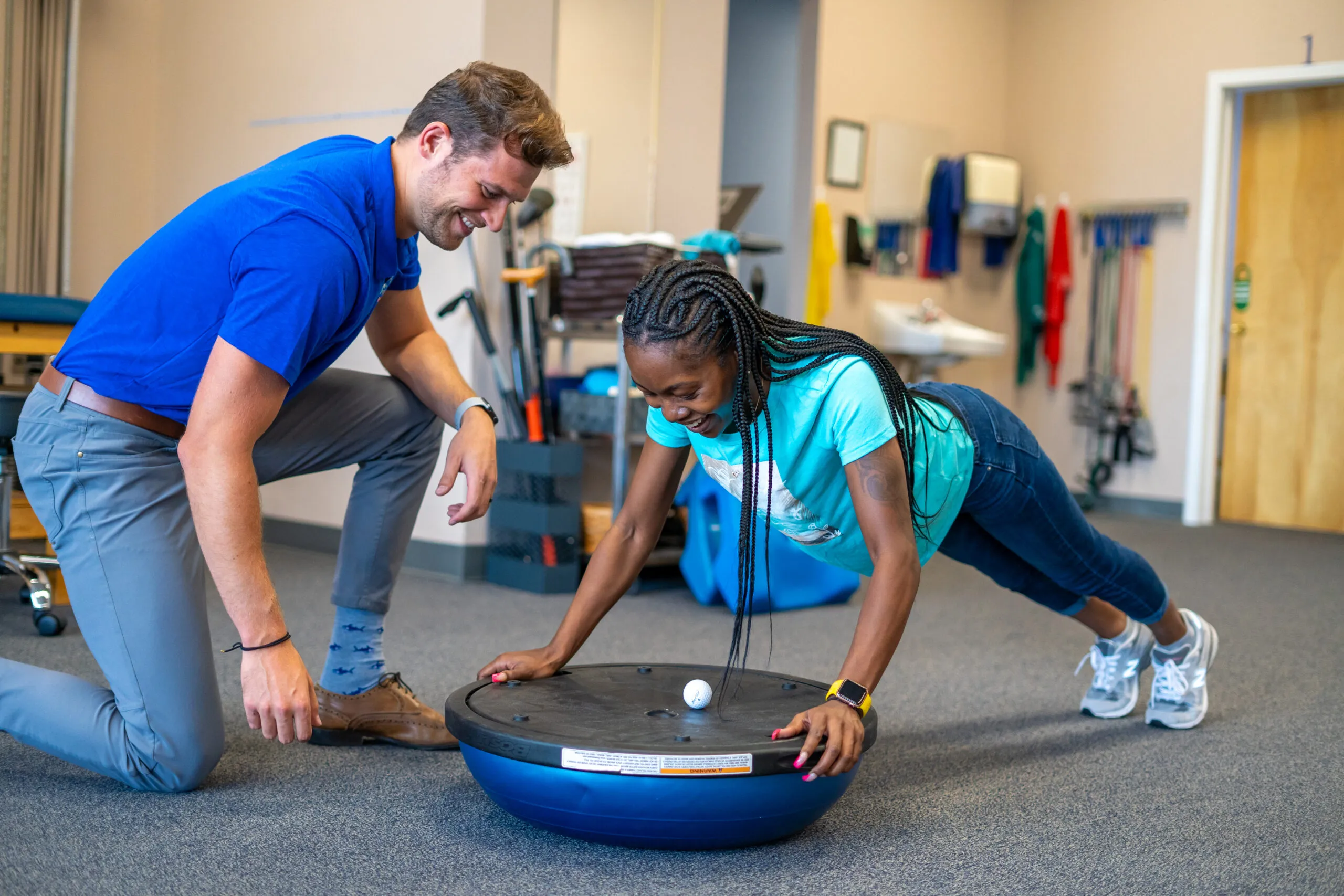
- Balance Training: Improves proprioception and coordination using foam surfaces, obstacle courses, and dynamic movements
- Canalith Repositioning Maneuvers: Clears displaced crystals from the inner ear canals (especially for BPPV)
Every exercise is adjusted based on a patient’s tolerance and response to therapy.
3. Structured Home Therapy Plans
Long-term success depends on consistency beyond the clinic. Patients receive easy-to-follow home routines that extend progress between sessions. These daily practices are crucial for:
- Reinforcing brain adaptation
- Building muscle memory
- Reducing symptom recurrence
Therapists provide regular updates and coaching to keep motivation high and results on track.
4. Emotional and Cognitive Support
Vestibular issues often affect more than balance—they can disrupt mood, memory, and mental clarity. OPCRehab integrates strategies that support emotional and cognitive recovery, such as:
- Guided relaxation techniques to manage anxiety
- Cognitive focus drills to improve attention and memory
- Ongoing encouragement that restores confidence and independence
By treating the whole person—not just the symptoms—patients experience a complete return to function and self-assurance.
These components work in harmony to deliver results that are not just clinical but life-changing. At OPCRehab, Vestibular physiotherapy is more than rehabilitation—it’s restoration.
Practical Strategies That Work
- Start early. The longer symptoms persist, the harder they are to correct.
- Stay consistent. Repetition is key to neural adaptation.
- Measure progress. Small improvements compound into major victories.
- Address mental health. Emotional well-being accelerates physical recovery.
Cost vs. Value
Investing in Vestibular physiotherapy may initially seem costly. But compare it to emergency visits, medications, or a life constrained by fear. The benefits to one’s freedom, health, and mental well-being are incalculable.
According to data from the CDC, fall-related medical costs in adults over 65 total over $50 billion annually in the U.S. Vestibular therapy can significantly lower this burden.
Compelling Reasons to Act Now
- Symptoms of imbalance rarely go away on their own.
- Delayed treatment can lead to chronic conditions and falls.
- OPCRehab offers advanced diagnostics and personalized care.
- Therapists are nationally certified in vestibular rehabilitation.
- Better results and a quicker recovery are guaranteed with early intervention.
A Clearer, Steadier Tomorrow Begins Today
For people suffering from vertigo, dizziness, and balance issues, vestibular therapy has completely changed the definition of healing. It is now about regaining control rather than coping. Patients at OPCRehab receive not just therapy but also change because of their expert approach. Their methods combine clinical precision with compassionate care, offering a path forward that is measurable, meaningful, and lasting.
Whether symptoms are mild or debilitating, timely vestibular rehabilitation can prevent falls, reduce dependency, and return confidence. By addressing the root cause rather than masking it, OPCRehab helps individuals move freely, think clearly, and live fully.
This is not just therapy—it’s a new beginning.
At OPCRehab, patient success rates surpass national averages. More than 90% of those treated report improved stability and reduced dizziness. Many resume work, travel, and exercise within months.
Diane’s transformation wasn’t luck. It was systematic, based on clinical knowledge and humane treatment.