Losing a limb is never easy. It changes how people move, feel, and even see themselves. But life doesn’t end with an amputation. In fact, for many, it’s a new beginning. That’s where modern prosthetic devices come in.
Today’s technology helps patients move again. It also gives them control, independence, and the courage to keep going. At OPC Rehab, we’ve seen how these devices can change lives. From basic functions to complex movements, the progress is real.
The Meaning Behind Mobility
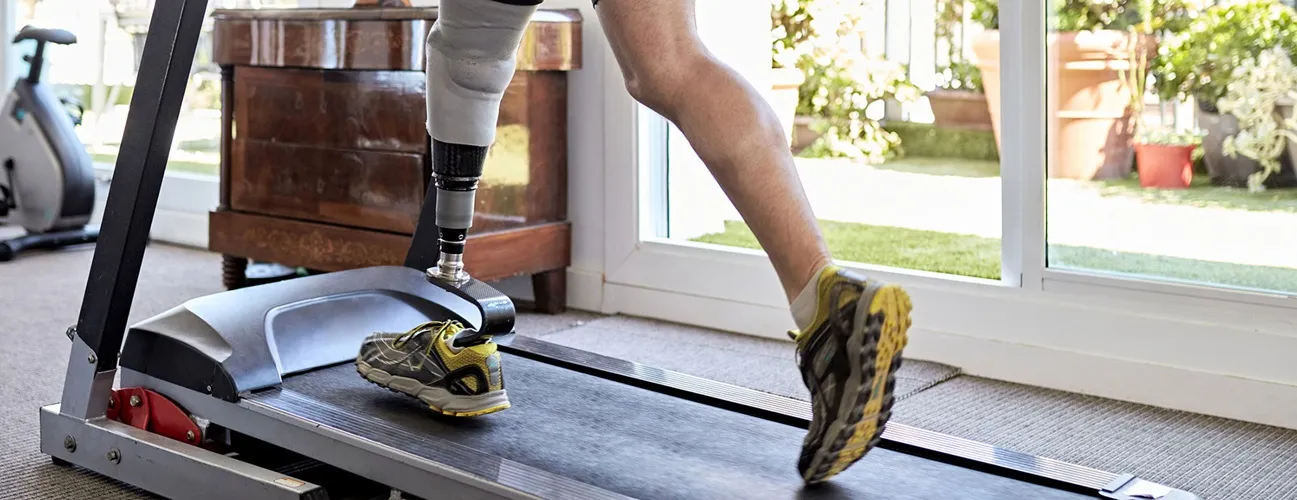
Every step matters to an amputee. Standing, walking, or reaching is no longer simple. However, prosthetic devices make those steps possible again. They’re more than tools—they’re part of someone’s journey back to daily life.
Although early devices focused on form, today’s versions aim for function too. They adapt to real-life situations. Whether someone is hiking or typing, the right device can help them succeed.
How Far We’ve Come
In the past, prosthetics were stiff, heavy, and hard to use. Comfort wasn’t the priority. Movement felt unnatural. Many users struggled with skin issues and daily fatigue.
Thankfully, things have changed. Today’s prosthetic devices are lighter, smarter, and much more comfortable. They move in ways that match the body’s natural flow. Also, newer designs reduce pressure and friction.
Moreover, improved materials allow for better strength without adding extra weight. That means longer wear and less pain.
Bionic Limbs: More Than Sci-Fi
What once seemed like science fiction is now real. Bionic limbs are changing the future of rehab. These prosthetic devices connect with nerves and muscles. In turn, users control them through brain signals.
Sensors pick up small muscle movements. Then, the limb responds almost instantly. This allows for smooth, accurate motion. Some hands can even grip soft items without crushing them.
Moreover, feedback sensors can send touch signals back to the brain. That means some users can feel again through their devices.
Real-Time Adjustments Through AI
Artificial intelligence is making prosthetic devices smarter. Newer limbs can now learn from daily use. They adjust to walking speed, balance, and even terrain.
For example, a leg can sense if the user is walking uphill. It changes joint resistance automatically. As a result, the person doesn’t need to think about adjusting their pace.
These changes happen in real-time. Also, the more someone uses the device, the better it learns. That helps reduce effort and increase comfort.
3D Printing: A Perfect Fit
One of the biggest advances in prosthetic devices is 3D printing. This lets experts create limbs based on a person’s exact size and shape. That means a better fit and less friction.
Additionally, it makes devices more affordable. Instead of waiting weeks, patients can get a new limb in days. This is huge, especially for growing kids who need frequent replacements.
Even more, 3D-printed limbs allow for personal style. Patients can choose shapes, colors, and features they like. Feeling proud of a device makes it easier to wear every day.
Comfort and Skin Care Matter
A device can only help if it feels good to wear. That’s why skin comfort is now a top concern. New liners and socket systems are designed to reduce sweating and rubbing.
In addition, many prosthetic devices now include cooling features. Others use memory foam to match body shape. These upgrades help prevent pressure sores and daily discomfort.
Moreover, adjustable sockets allow for easy changes. Users don’t need to visit the clinic every time they feel pain. They can fine-tune the fit at home.
Arm Prosthetics with Real Grip
Losing an arm can feel especially hard. Tasks like cooking, typing, or holding a child become a daily challenge. But today’s prosthetic devices for arms are closing the gap.
New hands come with multiple grip settings. Users can hold a pencil one minute and lift a bag the next. Some even include rotating wrists and flexible fingers.
Also, voice and app controls are now more common. That means less need for awkward buttons or wires. These changes make it easier to stay active at home or work.
Pediatric Prosthetics: Meeting Kids’ Needs
Children need devices that grow with them. In 2025, many prosthetic devices are now made just for kids. They’re lighter, safer, and easier to use.
Some even include fun features like superhero designs or interactive games. These help young users feel excited about wearing their limbs.
Additionally, devices are now built to handle active play. Kids can run, climb, and explore more freely than ever. Regular checkups still matter, but fewer replacements are needed.
Emotional Impact of Better Mobility
Walking again changes more than just the body. It lifts the spirit. Patients often feel stronger and more confident after getting fitted with prosthetic devices.
They can join family outings again. Some return to work or sports. Even basic tasks like cooking or dressing become less stressful.
More freedom leads to better mental health. Moreover, success builds motivation to keep going. That’s why modern rehab isn’t just physical—it’s emotional too.
How OPC Rehab Supports Amputees
At OPC Rehab, we don’t just fit limbs. We walk with each patient through their journey. Our team uses the latest prosthetic devices and therapy tools. We also focus on each person’s goals.
Some want to run again. Others just want to stand without pain. Either way, we work step-by-step to help them reach those goals.
Moreover, we make rehab feel less like work and more like progress. Our therapists, fitters, and techs collaborate with patients every day.
Challenges Still Remain
Despite the progress, some patients face barriers. Not every device works for every person. Cost can also be an issue. That’s why many clinics offer payment plans or work with nonprofits.
Also, not everyone gets used to a device right away. It takes time, patience, and support. However, with guidance, most users do succeed.
Better awareness and access are still needed. But each year brings new hope and solutions.
Looking Ahead to What’s Next
The future of prosthetic devices looks bright. As more research is done, new ideas become reality. More people are returning to full, active lives. These advances prove one thing—amputees are not stuck. They’re not limited. They’re not alone.
Instead, they are strong, capable, and full of potential. And with the right tools, they keep moving forward.
Book your consultation with OPC Rehab today. Take the first step toward feeling strong again. Let us help you regain movement and control.