Losing a leg can be one of life’s hardest changes. It affects how people move, feel, and live. Yet, many amputees find new hope through the right prosthetic leg. This isn’t just a medical device—it’s a lifeline to walking again.
At OPC Rehab, we’ve helped people take their first step back to independence. Every limb is different, and so is every patient. That’s why choosing the correct fit truly matters. A good match means less pain, more movement, and a better quality of life.
It Starts with Comfort
Wearing a prosthetic leg daily should not cause pain. Sadly, many people experience rubbing, pinching, or pressure. That’s usually a sign that the fit isn’t right.
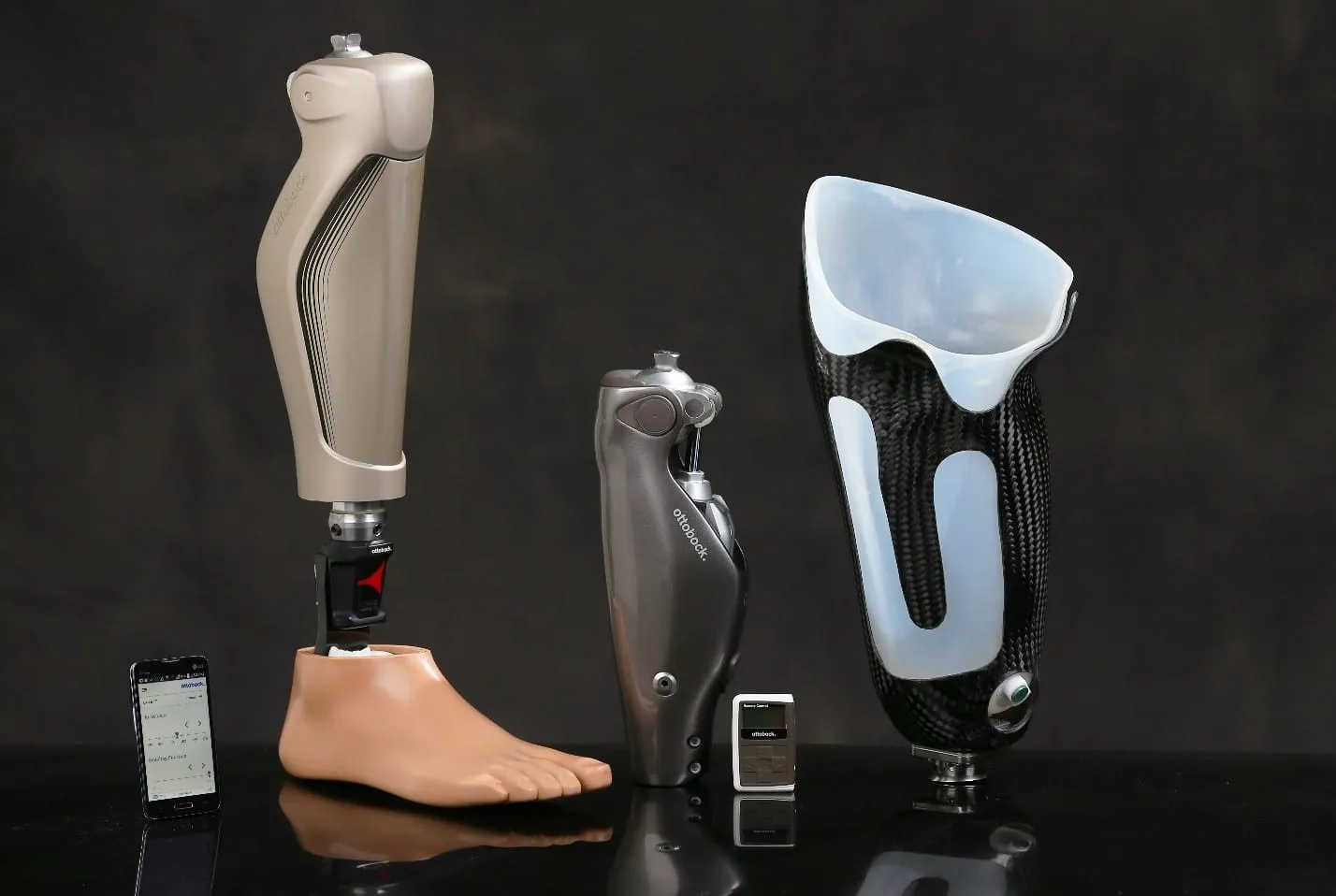
Also, the socket—the part that holds the limb—must match your shape. Even a slight mismatch can cause sores. However, newer socket designs adapt better. They flex with the leg and reduce friction.
Moreover, liners made from soft silicone or gel can ease the pressure. These help the skin stay cool and dry, even during long wear.
Balance and Posture Matter Too
Walking should feel natural. But with the wrong prosthetic leg, posture can change. The user may lean too far forward or back. This leads to back pain or hip strain.
However, the correct leg helps keep the spine straight and weight balanced. Additionally, improved knees and ankles now adjust to body weight. This supports a smoother walk.
Many patients notice fewer falls and better posture within weeks. Also, standing up becomes easier and safer.
The Right Knee Makes Walking Easier
Not every prosthetic leg has a knee, but when it does, the type matters. Basic mechanical knees swing like a hinge. These are simple and light.
On the other hand, microprocessor knees adjust in real-time. They measure steps and terrain. Then, they make changes to match the pace.
Although more costly, these knees help users walk up hills or stairs with less effort. Moreover, they reduce the risk of tripping. Many patients say these give them back their freedom.
Foot Choices Are Key
A prosthetic leg is only as good as the foot it stands on. Flat feet give stability. But energy-storing feet return some of the force with each step.
This means walking takes less energy. The spring in the foot helps push the user forward. Also, some feet include split toes. These make turning and uneven ground easier to manage.
Moreover, different feet work better for different tasks. Some are better for walking. Others are made for running, hiking, or sports.
Daily Activities Become Easier
Small tasks can be big hurdles after limb loss. However, the right prosthetic limb can help. Cooking, shopping, or walking the dog becomes less stressful.
In addition, climbing stairs or uneven sidewalks feel safer. Patients who once feared falling feel steadier on their feet.
Also, newer models allow smoother motion. They bend and move more like a natural leg. This makes turning corners, stepping sideways, or crouching easier.
Personalized Fitting at OPC Rehab
Every patient is different. That’s why we take the time to understand each person’s needs at OPC Rehab. We don’t just fit a prosthetic limb. We guide people through every stage of using it.
Our team listens, measures, and works closely with each patient. Also, we consider lifestyle, body shape, and personal goals. Some want to walk pain-free. Others want to run marathons again.
Moreover, we adjust devices over time. As your body changes, so should your device. Regular checkups help improve comfort and fit.
Mind Over Movement: Mental Health Counts
Mobility isn’t only about the body. It affects the mind too. After limb loss, many feel afraid or unsure. However, the right prosthetic limb often boosts confidence.
Feeling stable again brings joy and freedom. Patients can join family outings or return to work. They feel less isolated and more in control.
Also, walking again helps build mental strength. It gives people proof that progress is possible.
Advanced Features for Active Lives
Many modern prosthetic limb options now include high-tech features. Bluetooth, sensors, and smart apps let patients check and adjust settings.
Moreover, waterproof models make swimming or bathing simpler. Shock-absorbing knees reduce pain when walking on hard surfaces.
Some legs even adapt between sitting and walking modes. This means more comfort throughout the day.
Also, lightweight carbon fiber parts reduce strain. These help patients stay active longer without tiring quickly.
Cost vs. Value: What to Know
Prosthetics can be expensive. Yet, cost shouldn’t stop someone from living fully. Many insurance plans cover a prosthetic leg. Some clinics also offer payment plans or help from charities.
Moreover, the value goes beyond the price. A well-fitted leg reduces doctor visits and pain. It also brings back daily joys that no amount of money can measure. Investing in the right device is investing in life.
Conclusion
Choosing the right prosthetic leg isn’t just about movement—it’s about freedom, comfort, and confidence. A well-fitted limb can ease daily tasks and boost emotional well-being. It helps restore the sense of control that many lose after amputation. Moreover, with ongoing support and the right technology, each person can move forward with strength.
Let OPC Rehab guide your next step forward. Book your personalized consultation with our skilled team. We’re here to support you from day one and beyond.