
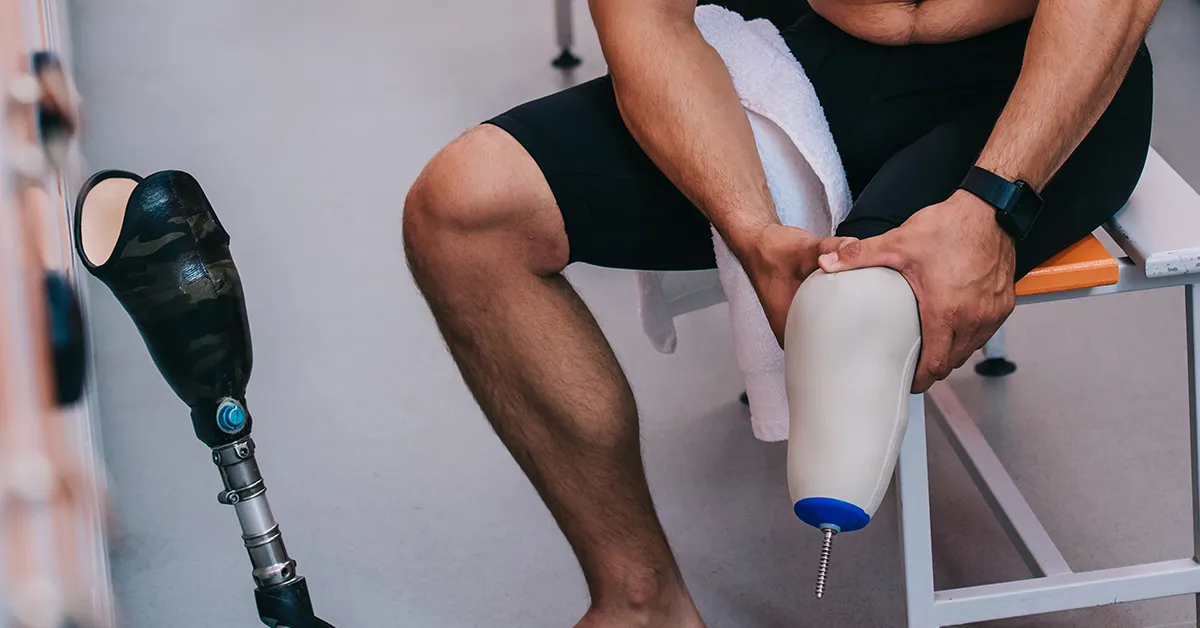
Losing a limb completely changes life. It’s more than just the physical absence. Many people continue to feel pain in the missing part. This is called phantom limb pain. It’s real, even though the limb is no longer there.
Although it may sound strange, this pain affects most amputees. It can feel like burning, stabbing, itching, or cramping. These feelings can show up at any time. They may stay for minutes or hours.
Thankfully, there are ways to manage it. While every case is different, some methods help many people. Let’s walk through these proven tips to handle phantom limb pain with more comfort.
Understanding the Source of Phantom Limb Pain
Right after surgery, the brain still sends signals to the missing limb. It expects to get a response. But when nothing comes back, confusion happens. That confusion can lead to phantom limb pain.
Sometimes, nerves at the amputation site become overly active. They send pain signals even though the limb is gone. These signals reach the brain, which responds as if the limb is still there.
In addition, emotions play a big role. Stress, fear, and sadness can make the pain worse. So, a complete approach is needed—both physical and emotional.
1. Stay Active and Keep Moving
Movement helps the brain adjust. Simple stretches or gentle exercises can reduce pain. Regular activity also boosts blood flow. This helps the body heal better.
Many patients find that doing light exercises helps distract the brain. Moreover, it gives a sense of control over the body.
If you’re unsure where to begin, a physical therapist can help. They guide you safely and set realistic goals. This keeps your body and mind working together.
2. Mirror Therapy Can Ease Pain
Mirror therapy is simple yet powerful. It tricks the brain by using a mirror to reflect the remaining limb. This creates the illusion of having both limbs again.
Surprisingly, this can reduce phantom limb pain. It works by retraining the brain to stop sending pain signals. Many people find this method helpful with regular use.
You don’t need special tools. Just a quiet place, a mirror, and patience. Try it for 15 minutes daily. Gradually, your brain may adjust, and the pain can fade.
3. Try Heat, Cold, or Massage
Using heat or cold packs can bring relief. Sometimes, just placing a warm cloth on the stump helps. Cold packs also soothe the nerve endings.
Massage around the area can relax muscles and improve blood flow. Moreover, it gives a comforting feeling that the body remembers. This method doesn’t work for everyone, but many find it calming. Use it alongside other treatments for better results.
4. Medication as a Short-Term Option
Doctors sometimes prescribe medicine for phantom limb pain. These might include nerve pain pills, antidepressants, or even anti-seizure drugs.
However, long-term use isn’t always the best idea. Medications may help in the beginning. But relying on them for too long might create new problems. So, they’re best used with therapy, exercise, and support. Talk to your healthcare provider about what’s safe for you.
5. Deep Breathing and Mindfulness
Pain often gets worse when you’re tense or anxious. Taking slow, deep breaths can help calm your nerves.
Mindfulness means focusing on the present moment. It’s about noticing your breath, your heartbeat, and your feelings without judgment.
Practicing this daily can lower stress. As a result, phantom limb pain might not feel as strong. Additionally, some people use guided meditation or soft music. These techniques bring peace to the mind.
6. Use a Well-Fitted Prosthesis
A prosthesis that fits well helps in more ways than walking. It gives weight to the missing area, which can reduce phantom limb pain.
Moreover, it reminds the brain that the limb has a new shape and function. That update can reduce confusion and pain signals. Check with your prosthetist often. Over time, your stump may change shape. That’s normal. Just make sure your prosthesis adjusts with you.
7. Seek Support from Others
Talking helps. Whether it’s with a counselor or a group of fellow amputees, sharing the struggle makes it easier.
Sometimes, just knowing that others feel the same pain brings comfort. Additionally, support groups offer tips that have worked for others. Don’t stay silent. Reaching out can make a big difference in how you feel daily.
8. Explore Alternative Therapies
Acupuncture, biofeedback, or even virtual reality can sometimes help. These methods aren’t for everyone, but they offer hope to many.
Acupuncture targets nerve points and may calm pain signals. Biofeedback teaches you to control body functions like heart rate and tension.
Although results may vary, they’re worth exploring if other methods haven’t worked. Always discuss them with your healthcare provider first.
9. Focus on Healthy Habits
Your body needs fuel to heal. Eating well, sleeping enough, and staying hydrated are simple yet powerful tools.
Moreover, cutting down on alcohol and avoiding smoking helps your nerves and blood vessels heal better. These habits may not remove pain completely. However, they support your body’s natural recovery.
10. Track Your Triggers and Patterns
Write down when the pain starts and what you were doing. You might notice patterns—certain times of day, weather changes, or stress levels.
This log helps doctors understand your pain better. It also gives you clues on what to avoid or manage differently. Moreover, it reminds you that you have some control, even if the pain feels random.
Conclusion
Managing phantom limb pain takes time, patience, and the right mix of strategies. What works for one person may not help another.
The key is to keep trying. Use movement, therapy, and emotional care together. Healing is not always quick, but it is possible. Most importantly, don’t face it alone. Help is out there. With support and the right plan, living well after amputation is within reach.
If you’re ready to take the next step in your recovery, our team is here to help. You don’t have to figure it out all by yourself. At OPC REHAB, we offer care that listens and plans that work.