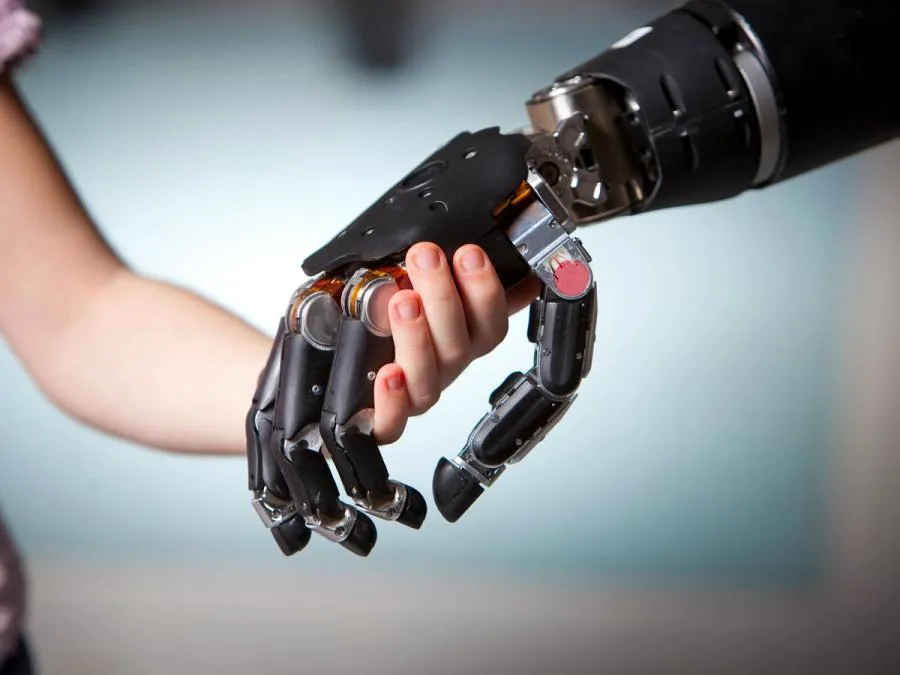
Technology has come a long way. Now, it’s giving people with limb loss more control, movement, and hope than ever before. Robotic prosthetics are changing what life looks like after amputation.
These devices don’t just look like real limbs—they also move, sense, and respond like them. For many, this means doing things they never thought possible again.
From holding a coffee cup to tying shoelaces, these advanced limbs are reshaping daily life. Let’s look at the top five breakthroughs in robotic prosthetics that you should know about today.
1. Brain Signals Power Prosthetics
Brain-controlled prosthetics are giving amputees a new kind of freedom. These devices connect directly to the brain or nerve signals, allowing movement through thought alone. It’s an exciting step forward that makes daily actions feel more natural and instinctive.
- Sensors detect electrical signals from the brain or nerves and translate them into motion.
- Users experience less delay in movement, helping them respond in real time.
- Early studies show improved accuracy and emotional connection with the device.
2. Sensory Feedback in Action
Modern robotic prosthetics can now feel. This means users can sense grip pressure, object textures, and even temperature. For many, this feature restores more than function—it restores human connection.
- Sensors in the limb send signals to the brain through skin patches or wires.
- Users can grip soft or fragile items without crushing them.
- The system improves hand-eye coordination and reduces the need to look while moving.
3. AI That Learns Your Movements
Artificial intelligence is turning robotic limbs into smart companions. These prosthetics learn user behavior, adjust in real time, and predict actions for smooth, safe movement.
- AI algorithms adapt to how you walk, lift, or carry objects.
- The limb can adjust automatically to stairs, hills, or uneven ground.
- Users report increased balance and less fatigue during everyday tasks.
4. Precision and Affordability: How 3D Printing Is Changing Prosthetics
3D printing has transformed how prosthetics are made. It allows for faster, more affordable production while offering a better fit and look. This makes high-tech limbs more accessible than ever.
- Digital scans create perfectly shaped limbs within days instead of weeks.
- Printed materials are lightweight, durable, and comfortable for long use.
- Replacement parts can be reprinted quickly, cutting down wait time and cost.
5. Life in Your Hands: Bionic Fingers That Move on Command
Today’s bionic hands can move fingers individually, offering amazing control and precision. Simple tasks like typing or holding utensils feel natural again, helping users regain daily independence.
- Tiny motors let each finger move separately and respond to grip needs.
- The hand adjusts its grip automatically based on object size or shape.
- Users can switch grip modes for specific tasks, like turning keys or holding tools.
Overcoming Daily Challenges with Robotic Prosthetics
Adapting to a high-tech prosthetic is exciting, but it comes with challenges. From learning new motor control to handling social situations, users often face an adjustment period. However, with the right mindset and tools, these hurdles become manageable.
- Some users struggle with fine motor control early on, especially in tight or complex movements.
- Wearing a robotic limb all day can cause discomfort if the fit or weight distribution isn’t right.
- Emotional and social acceptance takes time—some users feel self-conscious in public initially.
Battery Life and Charging: A Real-World Concern
Even the most advanced robotic prosthetics need power. Battery life plays a huge role in daily reliability. Knowing what to expect helps users avoid surprises and prepare better.
- Most bionic limbs operate for 8–12 hours and need regular overnight charging.
- High-activity use or smart features like AI may drain the battery faster.
- Portable charging units are becoming more common, but add extra gear to carry.
Pediatric Robotic Prosthetics: Helping Kids Stay Active
Children benefit greatly from robotic limbs, especially as they grow and explore the world. These prosthetics allow for natural development and social inclusion. However, they also come with special considerations.
- Children outgrow limbs quickly, so modular and adjustable designs are key.
- Light materials are essential to keep weight manageable for smaller bodies.
- Fun customization options like colors and themes help kids feel proud of their prosthetic.
Customizing Robotic Prosthetics for Individual Needs
No two users are the same, so why should their prosthetics be? Customization helps make each device fit not just the body, but also the lifestyle and preferences of the user.
- Users can choose grip strength, joint speed, and control methods that suit their routines.
- Some prosthetics come with app-based settings for real-time adjustments.
- Cosmetic options like color, shape, and skin-tone sleeves improve user confidence.
Conclusion
Technology is giving people more than machines. It’s giving them chances. Robotic prosthetics continue to grow smarter, faster, and more helpful. They are not just replacing lost limbs—they’re helping people live their lives again. With each innovation, hope becomes reality for thousands of amputees. The future holds even greater promise for those waiting to regain what was lost.
Your journey doesn’t have to be a solo one. At OPCREHAB, we walk with you every step of the way. From fitting to therapy, our team listens, helps, and supports. Call us today and take the next step toward a fuller life.