Back then, I thought I had to do it all alone. After my amputation, I smiled on the outside but felt lost inside. Family and friends tried to help, but they didn’t understand the grief, fear, or shame I carried. Every day felt heavy. The things that once seemed easy, like walking into a store or sleeping through the night, became painful reminders of what I had lost.
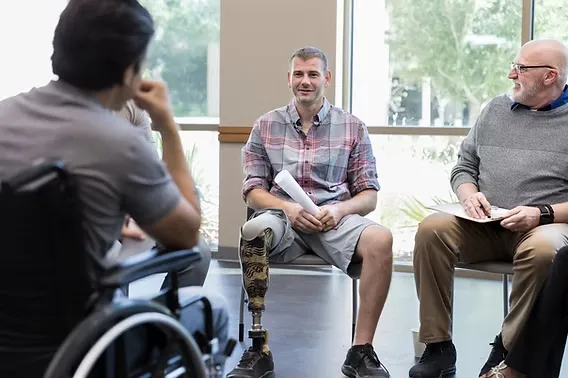
Everything shifted the day I joined an amputee support group. I walked into a room full of people who understood my pain without explanation. That single decision brought more healing than I expected.
The Unseen Weight of Limb Loss
Losing a limb doesn’t just affect your body. It changes your confidence, identity, and sense of safety in the world. Even when surrounded by love, many amputees feel isolated. Others might say the right things, but only someone who’s lived through it can truly understand.
Support groups bridge that gap. They offer shared experience, emotional relief, and a space where nothing has to be explained. That kind of understanding cannot be replaced.
What Are Amputee Support Groups?
Amputee support groups are safe spaces where people with limb loss come together to talk, listen, and support each other. Some groups meet in person, others online. Some are led by healthcare professionals, others by amputees themselves.
The goal isn’t to fix anyone, it’s to offer understanding, insight, and shared strength. You hear real stories, learn from real people, and realize you’re not walking this road alone.
How Support Groups Help You Heal
Support groups bring emotional, mental, and even physical benefits. They play a vital role in helping amputees adjust to life after limb loss.
1. You Feel Less Alone
The moment someone in a group says, “I’ve been there too,” your burden gets lighter. You realize your emotions are not strange or weak; they’re normal.
2. You Learn What Works in Real Life
Books and therapists help, but nothing beats real-life advice from someone who has walked your path. In support groups, you hear firsthand how others manage daily challenges like:
- Balancing with a new prosthetic
- Dealing with phantom pain
- Returning to work
- Facing public spaces with confidence
- Managing relationships after limb loss
3. You Celebrate the Small Wins
Support groups celebrate progress that others may overlook. Things like standing up without help or going out for the first time are understood as major steps.
What Happens in a Group Meeting?
Most meetings start with a simple check-in. Members share how they’re feeling, what they’re struggling with, or what went well that week. Some sessions focus on a theme, like managing pain or adapting to prosthetics. Others stay open for free discussion.
There’s no pressure to talk. Just showing up is enough. Over time, comfort builds and you may feel ready to share your story too.
Types of Amputee Support Groups
You don’t have to fit into a certain box to join a support group. There are many types out there, so you can find one that meets your needs. Some examples include:
- Peer-led groups: Run by amputees, offering open, honest conversations
- Rehab-based groups: Often hosted at hospitals or recovery centers
- Online communities: Great for people in rural areas or with limited mobility
- Mentorship programs: Pair you with someone further along in their recovery
- Special interest groups: For veterans, parents, athletes, or older adults
What About Family and Caregivers?
Amputee support isn’t just for the person who lost a limb. Spouses, parents, and caregivers often struggle too. They may feel overwhelmed, afraid of saying the wrong thing, or unsure how to help.
Some support groups offer special sessions just for family members. These sessions provide tools, education, and emotional relief. When caregivers feel seen and supported, they’re better able to show up with love and patience.
Healing becomes a shared experience, not a lonely one. When everyone is learning and growing together, the home becomes a softer, safer place to recover.
If You’re Hesitant, You’re Not Alone
It’s normal to feel nervous about joining a group. Many people fear judgment, awkwardness, or not knowing what to say. But support groups aren’t about being perfect. They’re about being real.
No one expects you to have it together. You can just listen until you feel ready to talk. The courage to show up is enough.
Conclusion
Losing a limb changes everything, but it doesn’t have to steal your hope. You don’t have to carry this journey on your own. Some people’ve walked the road before you. People who are ready to listen, help, and remind you of your strength.
Amputee support groups matter because healing is not just about physical recovery; it’s about emotional connection. It’s about being seen, being heard, and being believed in. And that’s something everyone deserves.
Take one brave step today. Join a space where your story matters and support is real. Let others walk beside you, because healing begins with connection.