
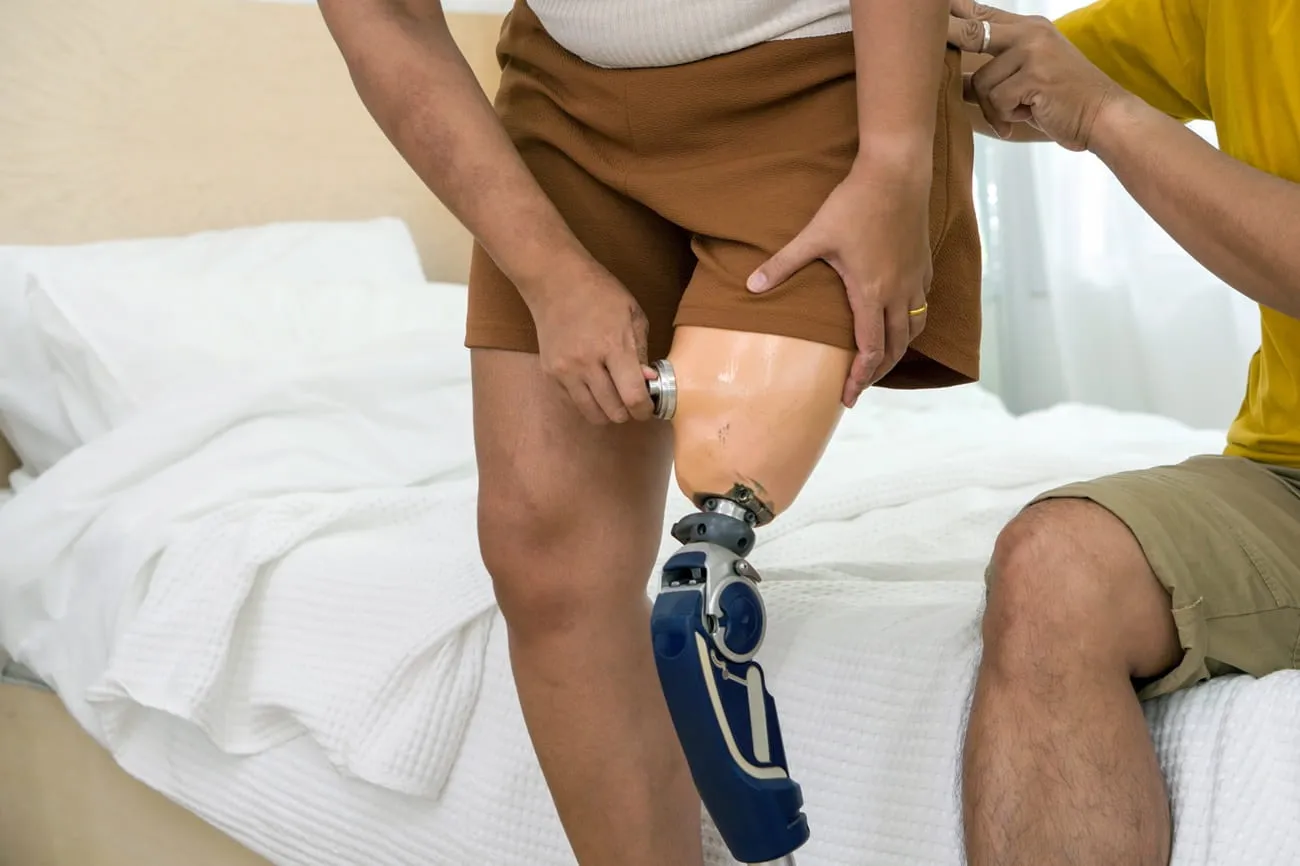
I used to pretend I was okay when I wasn’t. After the surgery, everyone kept asking how I felt. I’d smile, nod, and say, “I’m fine.” But the truth was, I wasn’t. My stump hurt. It bled. Sometimes it burned so badly, I couldn’t sleep. No one had prepared me for this part, not the emotional weight, not the physical pain, and definitely not the fear of infection.
I thought something was wrong with me. But what I didn’t know then is that every amputee goes through a learning curve. And stump care is one of the most important, often overlooked parts of healing.
Why Proper Stump Care Matters
Stump care isn’t just about cleanliness. It’s about comfort, confidence, and long-term healing. When a stump isn’t properly taken care of, it can cause:
- Pain and pressure sores
- Skin irritation and rashes
- Bacterial or fungal infections
- Delayed prosthetic use
- Emotional stress and frustration
Understanding Your Stump’s Healing Process
After surgery, your residual limb (or stump) goes through several stages. First, it’s swollen and bandaged. Then, over time, the swelling reduces, the skin strengthens, and scar tissue forms.
This process takes weeks or even months. During this time, the goal is to:
- Keep the area clean and infection-free
- Reduce swelling gradually with compression
- Protect against trauma, friction, and bacteria
- Build skin strength and reduce sensitivity
Daily Cleaning Routine: Simple but Essential
One of the biggest mistakes amputees make is skipping daily stump care. But just like brushing your teeth, it has to be a non-negotiable part of your day.
Here’s a basic daily cleaning routine:
- Wash your stump gently with warm water and mild, unscented soap
- Pat dry carefully, especially around the suture area
- Inspect the skin for redness, blisters, cracks, or scabs
- Avoid lotions or creams unless prescribed by your doctor
- Change bandages or liners regularly if you’re still healing
Preventing Infection: Red Flags and Smart Habits
Infections can appear quickly and worsen even faster. Recognizing the signs early can protect you from serious complications.
Watch out for signs like:
- Warm, red, or swollen skin
- Unusual discharge or odor
- Sharp or spreading pain
- Fever or chills
- Pus or yellowish fluid at the incision site
To reduce infection risk:
- Keep your stump dry during the day
- Always wash hands before and after touching your limb
- Never reuse dirty bandages
- Avoid walking barefoot if your stump touches the floor
- Stay away from communal pools or tubs unless cleared by your doctor
Managing Moisture and Sweat
Many new amputees don’t expect how much sweat their residual limb can produce, especially inside a prosthetic. Moisture trapped between your skin and liner can lead to fungal infections and rashes.
Try this:
- Wear breathable, moisture-wicking socks or liners
- Use medical-grade powders (only with doctor’s approval)
- Clean the inside of your prosthetic socket daily
- Take breaks to let your skin air out during the day
Compression Wrapping: Reducing Swelling Safely
Swelling is part of healing, but too much can delay prosthetic use. That’s where compression comes in. It helps shape the stump, reduce fluid buildup, and ease discomfort.
Basic compression tools include:
- Elastic bandages (like ACE wraps)
- Shrinker socks
- Custom compression sleeves
Positioning and Movement for Comfort
Stump positioning matters more than most people realize. Sitting or lying the wrong way can lead to joint stiffness or even contractures (tightening of muscles and joints).
Tips for healthy positioning:
- Don’t let your stump dangle off the bed or chair for long
- Avoid placing pillows under the knee for extended periods
- Change positions every 1–2 hours if sitting or lying down
- Practice gentle range-of-motion exercises daily
Skin Sensitivity and Desensitization Techniques
New stumps are often sensitive. Some people can’t even bear the touch of fabric. That sensitivity can delay prosthetic fitting and create fear of movement.
You can build tolerance through:
- Gentle massage with soft fabrics
- Rolling the stump over a towel
- Rubbing different textures (cotton, silk, fleece)
- Light tapping or circular motions
Sock Management and Prosthetic Fit
As swelling decreases, your stump changes size. You’ll need to adjust your prosthetic fit using stump socks or liners of different thicknesses.
General sock tips:
- Add or remove socks based on how your prosthetic fits
- Don’t wear multiple thin socks if one thick one will do
- Change socks if they get wet or sweaty
- Carry spare socks when going out
When to See Your Doctor
It’s normal for your stump to change, but some issues require medical attention.
Call your doctor if you experience:
- Ongoing pain that doesn’t improve
- Bleeding, even light, after the wound has closed
- Skin breakdown or open sores
- Painful pressure points inside your prosthetic
- Difficulty walking or performing basic tasks
Your care team wants to help. You never need to wait until things get worse.
Conclusion
Stump care is more than a routine, it’s a form of self-respect. Taking care of your residual limb keeps you safe, reduces pain, and prepares your body for every step ahead. No one tells you how hard those first months are. But with daily attention and patience, healing is possible.
Start today. One wash, one check, one stretch at a time. Your comfort is worth protecting. And your healing deserves your care.