Losing a limb changes more than just your body—it also affects your emotions, routines, and sense of identity. The journey toward healing doesn’t stop at surgery. In fact, it begins there. Amputee rehabilitation is the path that helps individuals rebuild their lives, both physically and mentally.
Whether it’s learning to walk again, dealing with phantom pain, or accepting your new self, every step counts. With care, guidance, and steady effort, recovery becomes possible—and meaningful. Let’s walk through the key steps that help people reclaim control and live fully after amputation.
Early Rehab Begins at the Hospital Bed
Rehabilitation starts within days of surgery. In fact, this phase is vital. It lays the foundation for long-term success. Early amputee rehabilitation focuses on healing the wound, reducing swelling, and building confidence.
- Physical therapists guide gentle exercises to maintain strength and blood flow.
- Doctors manage pain and monitor healing to avoid infection or complications.
- Nurses help patients with bed mobility and basic care routines to regain independence.
Moreover, this early stage gives patients a sense of direction. It shows them they’re not alone. Many find hope just by sitting upright for the first time or moving their remaining limb with ease.
Learning to Live With a Limb Loss
After returning home, reality sets in. Even small tasks feel hard. However, this is where progress happens. Patients begin adapting to daily routines again—this is a vital stage of amputee rehabilitation.
- Therapists teach techniques for dressing, bathing, and using assistive tools.
- Family involvement is encouraged to make the home safer and easier to navigate.
- Emotional support is offered to manage frustration, sadness, or moments of doubt.
In addition, the patient learns how to manage phantom limb sensations. Through consistent therapy and emotional care, everyday life becomes easier to face.
Physical Therapy Builds Strength and Balance
Movement is key to recovery. Physical therapy helps retrain the body, particularly when adapting to a prosthetic device. This stage of amputee rehabilitation focuses on restoring mobility and muscle strength.
- Balance exercises reduce the risk of falls and build core stability.
- Stump conditioning prepares the body for a comfortable prosthetic fit.
- Therapists teach proper posture, walking patterns, and limb control.
Moreover, each small success—like standing without help or walking down a hallway—restores confidence. Patients learn their limits but also realize how far they can go.
Fitting and Training with a Prosthetic Limb
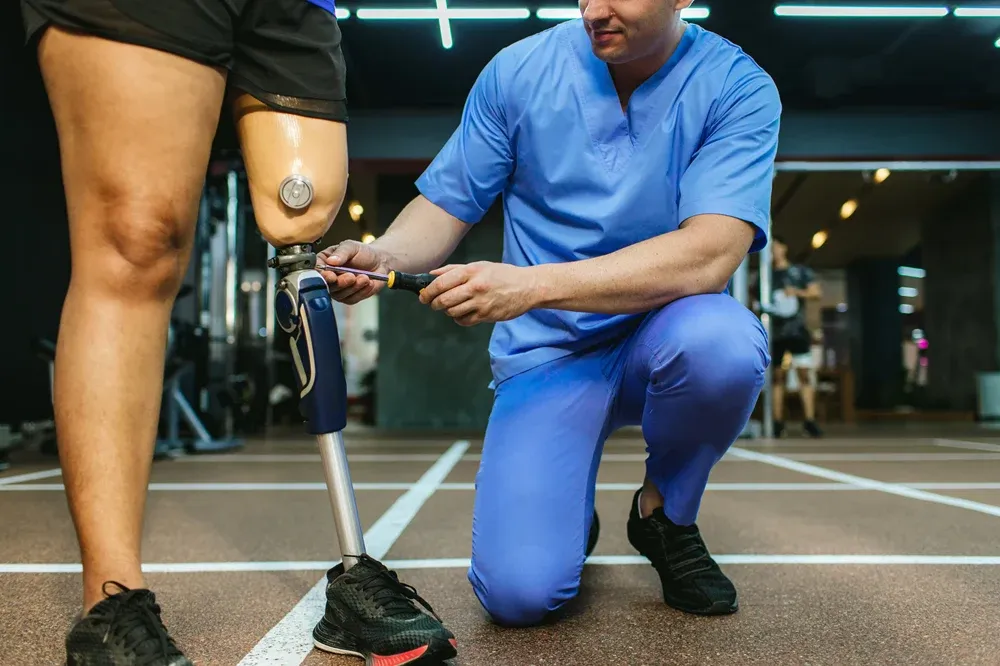
Getting a prosthetic is a big step. However, wearing one takes practice. This phase in amputee rehabilitation helps the user feel safe and steady while learning how to move with the new limb.
- Prosthetists fit the limb according to stump shape and skin sensitivity.
- Users learn how to walk, grip, or carry objects with proper control.
- The fit is adjusted over time to keep up with body changes and comfort.
In addition, therapists work on advanced skills, like walking on slopes or stairs. This makes real-life mobility smoother. Patients often begin returning to hobbies, work, and even sports during this time.
Mental Recovery Matters Just as Much
Physical healing is only part of the journey. The emotional side of amputee rehabilitation cannot be ignored. Many face depression, anxiety, or social discomfort. Mental health support plays a major role in full recovery.
- Counselors help patients talk through grief, fear, or self-image issues.
- Peer support groups offer shared experiences, tips, and emotional relief.
- Mindfulness exercises reduce stress and improve sleep patterns.
Moreover, rebuilding mental strength often helps physical progress move faster. A strong mindset creates lasting motivation, even during setbacks.
Occupational Therapy for Real-Life Tasks
Occupational therapy is about function. It helps individuals return to everyday roles, whether at home, work, or in the community. In amputee rehabilitation, this therapy restores purpose.
- Therapists assist with job-specific movements and hand-eye coordination.
- Daily tasks like cooking, writing, or cleaning are practiced using adaptive tools.
- Custom plans are built based on the user’s lifestyle and goals.
Additionally, small wins matter here—like opening a jar or typing on a keyboard. Each success builds self-worth and independence.
Staying Active to Keep Progress Going
Exercise doesn’t stop when rehab ends. Continued activity helps maintain physical and emotional strength. In fact, long-term amputee rehabilitation depends on staying engaged and active.
- Walking, swimming, and cycling are low-impact ways to build stamina.
- Community sports offer support, challenge, and social connection.
- Group fitness classes encourage routine and physical engagement.
Also, staying active lowers the risk of other health problems like obesity or joint strain. It creates a lifestyle that keeps recovery on track.
Support Systems Make a Difference
No one should face recovery alone. Support systems provide encouragement, direction, and kindness during tough moments. Amputee rehabilitation thrives with the right people involved.
- Family and friends assist with daily needs and emotional care.
- Rehab teams work closely with patients to adjust treatment plans.
- Peer mentors share real-life insight, tips, and empathy.
Moreover, feeling seen and heard reduces loneliness. It reminds each person that they still matter and belong.
Adjusting to Long-Term Lifestyle Changes
Healing doesn’t end after a few months. Living as an amputee means learning to adapt continuously. Long-term amputee rehabilitation involves building routines that support lasting comfort and function.
- Regular follow-ups ensure prosthetic comfort and health check-ins.
- Mental health sessions are used as needed to manage emotional highs and lows.
- Lifestyle adjustments like diet, rest, and stress management play ongoing roles.
Over time, what once felt impossible becomes second nature. Living well is not only achievable—it’s expected with the right care and support.
Conclusion
The road to recovery after limb loss is full of physical and emotional turns. But each step forward matters. Amputee rehabilitation is not a one-size-fits-all process—it’s a personalized journey built on hope, effort, and support.
At OP Center, we believe in guiding every person with care, respect, and experience.
Our rehab programs support real healing—body and mind.