When pain limits movement, healing should feel like relief, not more struggle.
Injury, chronic pain, or limited mobility can make even the smallest daily task feel overwhelming. Whether it’s joint stiffness, muscle weakness, or post-surgical recovery, the physical toll often comes with emotional strain, leaving many unsure where to turn for relief.
Unfortunately, traditional rehabilitation methods can be painful, exhausting, and hard on the body—especially when patients are already struggling with discomfort. Rebuilding strength and movement on land often adds pressure to already sensitive joints, increasing frustration and delaying progress.
That’s where aquatic therapy at OPCrehab offers a refreshing solution. By using the healing power of warm water, Water-based therapy eases pain, reduces stress on the body, and gently guides patients back to strength and confidence.
Understanding Aquatic Therapy
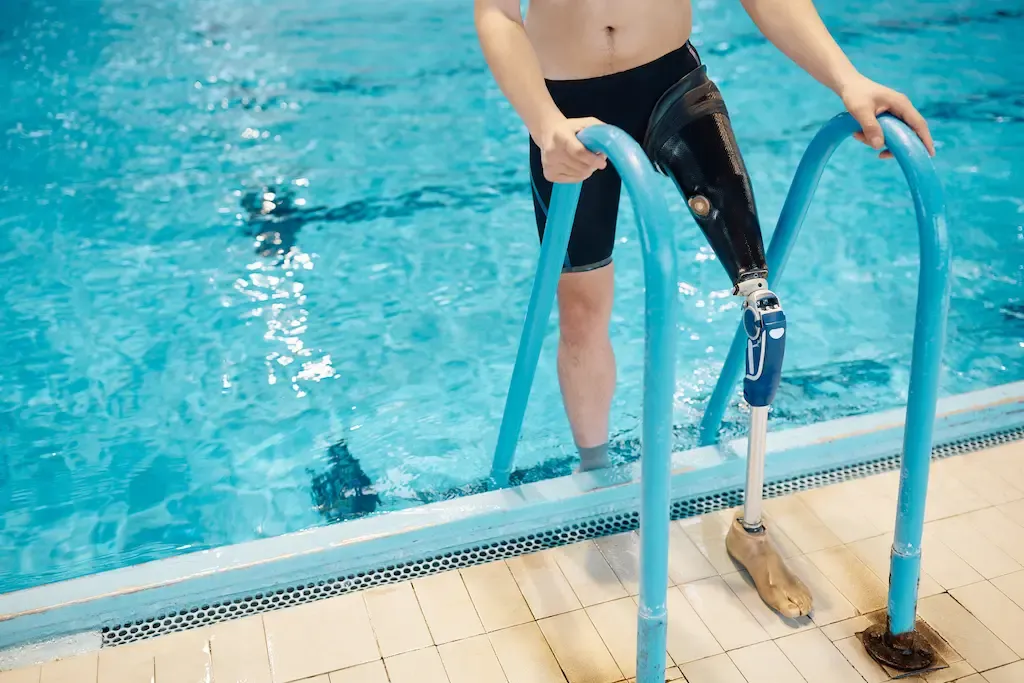
Aquatic therapy combines science with the relaxing properties of water to aid with rehabilitation and mobility. It takes place in a warm water pool, creating a safe and gentle environment for those healing from injury, surgery, or chronic pain. This form of therapy focuses on restoring strength, balance, and flexibility—without placing extra strain on the body.
What Is Aquatic Therapy?
Exercises in water under the guidance of a qualified therapist are part of aquatic therapy, also referred to as hydrotherapy or aquatic physical therapy. The inherent buoyancy and resistance of the water facilitate simpler and more efficient movement. For a variety of ailments, it is a tried-and-true technique to reduce discomfort, increase mobility, and hasten healing.
How Does It Work?
The effectiveness of aquatic therapy comes from the unique physical properties of water. In a warm pool, water supports the body, reduces pressure on joints, and allows smoother movement. Its natural resistance helps build strength gently, while the warmth relaxes tight muscles. These combined effects create a safe and supportive space where healing happens faster and with less pain.
- Buoyancy: Water supports body weight, reducing the impact on joints and allowing for easier movement.
- Hydrostatic Pressure: The pressure exerted by water can decrease swelling and improve circulation.
- Viscosity: Water offers resistance, which helps to build muscles without the need for weights.
- Thermal Properties: Warm water relaxes muscles, alleviates pain, and enhances flexibility.
The Science Behind Aquatic Therapy
Aquatic therapy is more than just exercise in water—it’s founded on proven scientific principles. The body responds differently in water, allowing for healing that land-based therapy often can’t provide. Key elements like buoyancy, pressure, and warmth work together to accelerate recovery safely.
Buoyancy and Reduced Joint Stress
The buoyancy of water gives the body the sensation of weightlessness. This reduces the stress on joints and bones, making movement less painful and more manageable, especially for individuals with arthritis or those recovering from joint surgeries.
Hydrostatic Pressure and Swelling Reduction
Hydrostatic pressure from water absorption can help to reduce edema and swelling. This pressure enhances blood circulation, which is crucial for healing and reducing inflammation.
Water Resistance and Muscle Strengthening
Water provides natural resistance in all directions, allowing for comprehensive muscle engagement. This resistance helps in building strength and endurance without the risk of injury associated with traditional weight-bearing exercises.
Warm Water and Muscle Relaxation
The warmth of the therapy pool helps in relaxing tense muscles, increasing blood flow, and reducing pain. This environment is particularly beneficial for individuals with muscle spasms or chronic pain conditions.
Who Can Benefit from Aquatic Therapy?
Water-based treatment is adaptable and can assist a diverse spectrum of people:
Individuals with Arthritis
For those suffering from osteoarthritis or rheumatoid arthritis, Water-based therapy offers a low-impact environment to improve joint mobility and reduce pain.
Post-Surgical Patients
After surgeries such as joint replacements or spinal procedures, Water-based therapy can aid in regaining strength and mobility while minimizing the risk of re-injury.
People with Neurological Conditions
Individuals with conditions like stroke, multiple sclerosis, or Parkinson’s disease can benefit from improved balance, coordination, and muscle strength through aquatic exercises.
Seniors Seeking Low-Impact Exercise
Older adults looking for safe and effective ways to stay active can use Water-based therapy to maintain fitness, flexibility, and overall health.
The Role of Certified Specialists in Water-Based Therapy
One of the most important parts of any successful Aquatic therapy program is the presence of experienced therapists. At OPCrehab, each rehabilitation plan is guided by licensed professionals who are trained in movement science and hydrotherapy techniques.
These therapists not only design safe exercises but also provide ongoing motivation and feedback. Their close attention ensures patients use proper form and avoid strain, which accelerates healing and keeps sessions effective and enjoyable.
Custom Programs for Different Conditions
Aquatic rehabilitation isn’t a one-size-fits-all program. OPCrehab offers condition-specific treatment options that address the unique needs of each patient:
- Chronic Pain Relief: For people with fibromyalgia or back pain, water exercises can reduce flare-ups and ease discomfort.
- Post-Injury Rehab: Individuals healing from fractures, ligament tears, or sprains can regain function more safely in water.
- Weight Loss & Mobility: For those carrying excess weight, water therapy offers a joint-friendly way to stay active and improve stamina.
By adjusting water depth, exercise type, and session intensity, therapists tailor every session to the person—not just the condition.
Emotional Benefits of Water Therapy
Beyond physical recovery, hydrotherapy plays a positive role in mental health. Warm water promotes relaxation, reduces stress hormones, and boosts mood. For patients recovering from trauma, surgery, or long illnesses, this mental relief can be just as important as physical gains.
Many report leaving each session feeling lighter—not only in the body but also in the mind. The calm environment, rhythmic movement, and supportive surroundings combine to create a true sense of peace and progress.
A Refreshing Road to Recovery Starts Here
Aquatic therapy is more than gentle exercise—it’s a powerful way to heal with less pain and more confidence. From easing joint pressure to improving flexibility and mental well-being, this therapy opens doors for people who feel limited by pain or traditional rehab methods.
Whether you’re recovering from surgery, managing arthritis, or simply looking for a kinder way to move again, OPCrehab offers expert care in a supportive, healing environment. With trained professionals by your side and the soothing power of water guiding your progress, you’re never alone on your journey to recovery.
Take the next step with care that meets you where you are—and helps you move forward, one calm, confident step at a time.