
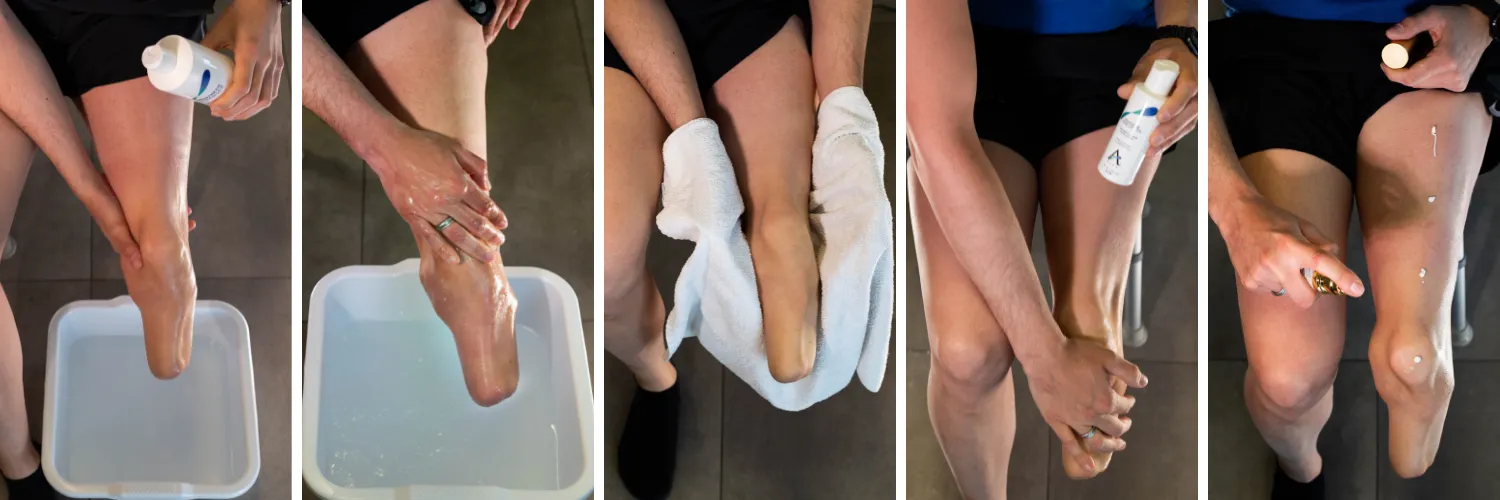
Losing a limb is life-changing. It affects your daily life, emotional wellness, and physical health. After surgery, one of the most important steps is learning stump care after amputation. Proper care not only supports healing but also prepares you for a prosthesis. More importantly, it reduces the risk of problems that can slow down recovery.
Although the process may feel overwhelming, good care habits bring comfort and peace of mind. With the right guidance, your body can heal better, and you’ll feel more confident each day. In this post, we’ll cover simple yet effective ways to manage your stump. We’ll also share how support, patience, and daily care make a big difference in long-term recovery.
Why Is Stump Care After Amputation So Important?
Right after surgery, the body starts healing. However, if the stump is not cared for properly, it may get infected or swell. That can delay healing or lead to serious issues. Therefore, stump care after amputation becomes a top priority.
Also, a well-cared-for stump helps your prosthetic fit more comfortably later on. A smoother, healthier stump means fewer sores, better movement, and more ease in your daily life. Additionally, regular care builds a routine, which also helps reduce stress and pain.
Daily Cleaning Is a Must
Cleanliness prevents infection. That’s why cleaning your stump daily is one of the first things doctors advise. Start by washing the area with mild soap and warm water. Gently pat the area dry using a soft towel. Avoid rubbing too hard.
Also, keep the area dry throughout the day. If moisture stays on the skin, it may cause irritation or sores. Therefore, try not to wear damp bandages or tight clothes around the stump.
In addition, change the dressing as often as your doctor recommends. Clean dressings reduce the risk of bacteria building up around the wound. Good stump care after amputation always starts with a clean and dry environment.
Managing Swelling and Shaping the Stump
After surgery, swelling is normal. However, controlling it helps the healing process. Doctors often recommend using compression garments or shrinker socks. These help the stump take a smooth shape over time.
The proper shape also matters when it’s time for a prosthetic. A stump that is even and smoother will fit into the socket more easily. Moreover, compression wear improves blood flow, which helps reduce pain and speed up healing.
Always check the fit of your compression garments. If they are too tight or loose, tell your doctor. They must be just right to help you heal without causing discomfort. Effective stump care after amputation supports faster recovery and better outcomes for prosthetic use.
Watch for Skin Issues and Infections
Your skin may become dry, itchy, or flaky after surgery. It’s important to use lotions that are safe for healing skin. However, do not apply lotion directly on the wound unless told by a doctor.
Also, inspect the stump daily. Look for signs like redness, heat, or fluid discharge. These can be early signs of infection. If you notice any of these, seek medical care quickly. Moreover, pain that gets worse instead of better might mean there’s a problem.
Keeping a log of what your stump looks and feels like each day can help you spot issues early. Also, this record can be helpful for your healthcare team.
Exercises That Help with Healing
Physical therapy is an important part of recovery. Gentle movements keep the muscles strong and prevent them from becoming stiff. Simple exercises help the blood flow and reduce swelling.
In addition, stretching helps your body stay balanced. After losing a limb, your posture may change. Therapy teaches you how to move less painfully and safely. Your body becomes better with time.
Additionally, stretching lightly at home keeps you moving. Ask your physical therapist for safe workouts that are appropriate for your requirements.
Taking Care of Your Emotions
Physical healing is just one part. Emotional care is just as important. Many people feel anger, sadness, or fear after amputation. These feelings are normal. However, holding them inside makes recovery harder.
Talk with someone. A counselor or support group can help. Sharing with others who’ve been through the same experience brings comfort and hope. Also, talking helps you accept your new reality with less fear.
In addition, family support plays a big role. Let your loved ones help when needed. Knowing you’re not alone makes each day easier.
Avoiding Common Mistakes
In stump care after amputation, there are a few things you should avoid. First, don’t soak your stump in water until the wound is fully healed. This includes baths or pools.
Second, don’t wear tight clothes or rough fabrics over your stump. These can rub against the skin and cause injury. Use soft, loose clothing that allows your skin to breathe. Finally, don’t ignore pain. If something hurts, your body is sending a message. Always listen to it.
Adjusting to Life with a Prosthesis
Your stump has to be in good condition before you receive a prosthetic. This is why stump care after amputation is so important. More comfort, a better fit, and fewer issues are all signs of a healthy stump.
Care continues once you begin wearing a prosthesis. You must inspect your skin, clean the socket, and do what your therapist instructs. Additionally, keep utilizing your compression equipment as instructed.
The better you care for your stump now, the easier it will be later when adjusting to your prosthetic.
Conclusion
Healing after amputation takes time, patience, and daily effort. Proper stump care after amputation supports that process by lowering the risk of problems and helping your body adjust. Clean the area daily, manage swelling, stay active, and talk about your emotions. Each small step adds up to a smoother recovery and better quality of life. Let your journey forward be strong, steady, and supported. With care and the right help, you can move ahead with confidence.
If you or someone you love is healing after limb loss, remember—support is key. The path may feel hard, but you’re not alone. At OpcRehab, we’re here to guide you every step of the way.