Adjusting to life after limb loss is a journey that involves physical, emotional, and functional rehabilitation. For many amputees, navigating this path can feel overwhelming. The right care, however, can make all the difference. At OPC Rehabilitation Centers, we’ve introduced an innovative model known as the Dynamic Duo Approach, which combines the expertise of a licensed prosthetist with a licensed physical therapist during every session. This integrated method enhances amputee therapy, improving mobility, confidence, and long-term outcomes for every patient.
In this article, we’ll explore what the Dynamic Duo Approach entails, why it’s effective, and how it aligns with modern rehabilitation practices designed for amputees.
Understanding the Dynamic Duo Approach
Traditional rehabilitation often separates prosthetic care from physical therapy. Patients may see a prosthetist to adjust their device and then attend physical therapy sessions on a different schedule, sometimes at a different location. While both aspects are essential, treating them independently can slow progress and limit personalized adjustments.
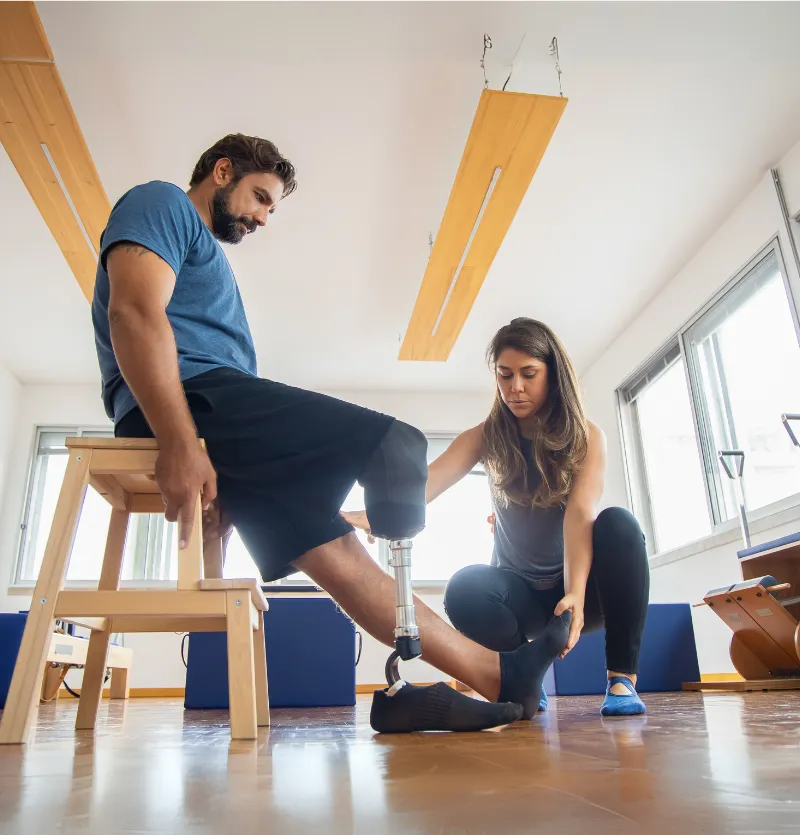
The Dynamic Duo Approach bridges this gap by integrating both specialists into a single session. Here’s how it works:
- The prosthetist evaluates the fit, alignment, and function of the prosthetic device.
- The physical therapist guides exercises, balance training, and functional movements.
- Real-time communication between both professionals ensures adjustments are immediate and precise.
By combining these disciplines, patients experience a seamless rehabilitation journey where every movement is optimized and every adjustment supports their therapy goals.
Why the Dynamic Duo Approach Improves Amputee Therapy
Amputee therapy is not just about physical strength; it’s about rebuilding confidence, balance, and independence. The Dynamic Duo Approach enhances outcomes in several key ways:
1. Real-Time Prosthetic Adjustments
During therapy sessions, prosthetic alignment can be altered immediately based on the patient’s response. This reduces discomfort, prevents skin breakdown, and ensures the prosthetic supports natural movement.
2. Personalized Rehabilitation Plans
Each patient receives a unique plan tailored to their level of amputation, lifestyle goals, and activity preferences. The collaboration ensures that both the prosthetic and therapy exercises work in harmony.
3. Faster Functional Progress
When device adjustments and physical therapy happen simultaneously, patients adapt more quickly to their prosthetic. Daily activities, walking patterns, and balance improve sooner, leading to enhanced independence.
4. Integrated Feedback System
Patients benefit from immediate feedback on their posture, gait, and exercise techniques. The integrated approach ensures that any issue is addressed before it becomes a long-term problem.
Components of Effective Amputee Therapy
To understand the full impact of the Dynamic Duo Approach, it’s helpful to review the core components of amputee therapy:
Physical Rehabilitation
- Building up muscles around the residual limb.
- Improving core stability and balance.
- Practicing functional movements, such as sitting, standing, and walking.
Prosthetic Training
- Familiarization with new devices.
- Learning safe donning and doffing procedures.
- Adjusting gait patterns for optimal efficiency.
Emotional and Peer Support
- Guidance from amputee support groups and peer advocates.
- Counseling for coping with changes in mobility and independence.
- Encouragement to participate in social and community activities.
Advanced Prosthetic Technology
- Custom-designed devices that fit the patient’s anatomy and lifestyle.
- Use of cutting-edge materials and sensors for better mobility.
- Ongoing prosthetic fitting evaluations to ensure comfort and function.
By integrating these elements, patients experience a holistic rehabilitation program that addresses both physical and emotional needs.
How the Approach Benefits Daily Life
Patients who participate in amputee therapy under the Dynamic Duo model report tangible improvements in their everyday routines:
- Improved Mobility: Walking, climbing stairs, and transferring between surfaces become safer and more comfortable.
- Enhanced Confidence: Knowing their prosthetic is properly fitted and adjusted allows patients to engage in social and professional activities.
- Reduced Risk of Injury: Proper alignment and gait training minimize falls, skin irritation, and joint stress.
- Faster Adaptation to Prosthetic Technology: Patients quickly learn to use advanced devices effectively, increasing independence.
For someone returning to work, hobbies, or athletic pursuits, these benefits significantly impact quality of life.
The Role of Prosthetic Technology in Amputee Therapy
Modern prosthetic technology plays a critical role in rehabilitation outcomes. Innovations include:
- Lightweight materials that reduce strain on the residual limb.
- Adjustable joints and modular components for customized mobility.
- Sensors that monitor gait and pressure distribution, providing real-time data for therapists.
When combined with expert prosthetic fitting during therapy sessions, these technologies ensure patients achieve the best possible functional results.
Incorporating Emotional Support into Rehabilitation
Recovery from amputation is as much emotional as it is physical. Patients often experience feelings of loss, frustration, or fear of reinjury. OPC Rehabilitation Centers integrates emotional care as a standard part of therapy:
- Amputee support groups connect patients with peers who understand their journey.
- One-on-one counseling helps individuals develop coping strategies.
- Family involvement is encouraged to foster a supportive home environment.
This comprehensive support ensures that therapy extends beyond physical recovery, building resilience and long-term independence.
Best Practices for Maximizing Amputee Therapy Outcomes
Patients can take active steps to get the most from their rehabilitation:
- Attend all scheduled sessions: Consistency accelerates progress.
- Follow personalized exercise programs: Home exercises complement therapy sessions.
- Communicate openly: Share feedback about pain, comfort, and mobility with the therapy team.
- Participate in support groups: Emotional well-being enhances physical recovery.
- Stay engaged with prosthetic technology updates: New devices or adjustments can improve outcomes.
When patients actively participate, they experience measurable improvements in function, confidence, and independence.
Real-Life Impact: Stories of Progress
Consider a patient who underwent a below-the-knee amputation. Initially, walking short distances was challenging, and confidence was low. Through the Dynamic Duo Approach, the prosthetist adjusted the device during therapy while the physical therapist guided balance exercises. Within weeks, the patient could walk independently around the house and resume favorite activities like gardening.
These successes are not isolated. Many patients report similar improvements when therapy combines personalized rehabilitation with expert prosthetic care.
Why Choose Integrated Amputee Therapy
The value of combining prosthetic expertise with physical therapy cannot be overstated:
- Efficiency: Real-time adjustments prevent delays caused by separate appointments.
- Precision: Therapists can immediately see how changes in prosthetics affect mobility.
- Confidence: Patients feel supported by a team dedicated to their success.
- Holistic Care: Physical, functional, and emotional needs are all addressed in one place.
This integrated method has become a cornerstone of care, reflecting our commitment to personalized, effective, and compassionate therapy.
Getting Started With Amputee Therapy
If you or a loved one is navigating life after limb loss, taking the first step toward rehabilitation can be life-changing. At OPC Rehabilitation Centers:
- Consultations are personalized and focused on your specific goals.
- The Dynamic Duo Approach ensures you receive comprehensive care from both a prosthetist and a physical therapist.
- Support extends beyond sessions through follow-ups, educational resources, and amputee support groups.
Schedule a consultation today and start a rehabilitation journey designed to restore mobility, independence, and confidence.
Key Takeaways
- The Dynamic Duo Approach integrates prosthetic care with amputee therapy for faster, safer, and more effective outcomes.
- Personalized rehabilitation plans target strength, balance, mobility, and emotional resilience.
- Advanced prosthetic technology and prosthetic fitting enhance daily functionality.
- Emotional support and peer advocacy are vital components of a holistic recovery.
- Active participation and consistent follow-ups maximize the benefits of therapy.
Recovery after limb loss is not just about regaining physical function; it’s about reclaiming independence, confidence, and quality of life. With a collaborative, patient-centered approach like OPC’s Dynamic Duo model, amputees can achieve meaningful progress and live life on their terms.
Conclusion
The Dynamic Duo Approach in amputee therapy combines expert prosthetic care with personalized physical therapy, helping patients regain mobility, confidence, and independence. With real-time adjustments, tailored exercises, and emotional support, we ensure a faster, safer, and more effective recovery. Start your journey today and experience a therapy program designed to restore both function and confidence.
FAQs
1. What is amputee therapy?
Amputee therapy is a specialized form of rehabilitation designed to improve mobility, strength, balance, and independence following limb loss.
2. How does the Dynamic Duo Approach help?
It combines prosthetic adjustments and physical therapy in one session for faster, more effective recovery.
3. Can amputee therapy help with daily activities?
Yes, therapy focuses on functional movements, helping patients walk, transfer, and perform daily tasks confidently.
4. What role do amputee support groups play?
Support groups provide emotional guidance, shared experiences, and encouragement during rehabilitation.
5. How often should I attend amputee therapy sessions?
Frequency varies per patient, but regular sessions ensure consistent progress and effective prosthetic adaptation.