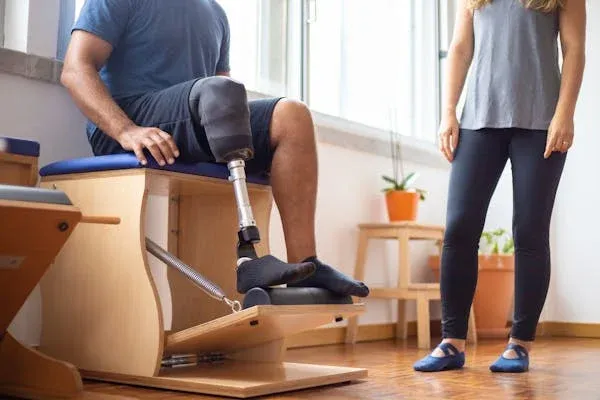
Starting life with a prosthesis is a journey filled with emotions. Many people feel hopeful, yet uncertain. In these moments, guidance becomes important. One essential step before receiving a prosthetic device is preparing the body with pre-prosthetic exercises.
These exercises are not medical treatments but practical movements that help strengthen muscles, improve balance, and make daily tasks easier. They bring physical readiness and mental confidence together. Without preparation, individuals often face stiffness, weakness, or frustration when adapting to a prosthesis. With preparation, the process feels smoother and more manageable.
Why Pre-Prosthetic Exercises Matter
The body undergoes many changes before using a prosthesis. Muscles may weaken after surgery or immobility. Joints can feel stiff, making walking or standing difficult. This is where pre-prosthetic exercises create an impact.
Physical Changes Before Prosthesis Use
The body goes through many physical changes before adapting to a prosthesis. Muscles often weaken due to reduced activity after surgery or immobility. Joints may stiffen, making standing or walking harder than before. These changes create daily challenges.
Improving Circulation and Reducing Swelling
Pre prosthetic exercises keep blood circulation active, lowering the chances of swelling and discomfort that often follow periods of inactivity. Better circulation also helps the body recover faster from minor strains and promotes overall comfort.
Strengthening Muscles for Support
These exercises strengthen surrounding muscles so they can support the added weight of a prosthesis. Without this preparation, muscles tire quickly, making everyday movements feel exhausting.
Enhancing Posture and Alignment
Improved posture allows the body to adjust more naturally to new balance demands. Good posture also prevents unnecessary strain on the back and shoulders, making daily activities safer and more efficient.
Improving Balance and Stability
Pre-prosthetic exercises reduce the feeling of imbalance that often causes falls. A stronger and more stable body creates confidence, encouraging individuals to move without fear.
Emotional and Psychological Benefits
These exercises also prepare people emotionally. Observing progress in strength and movement helps individuals feel more in control of their rehabilitation journey.
Evidence of Effectiveness
A recent study revealed that 78% of individuals who practiced structured exercises before prosthesis fitting adapted faster within three months. In contrast, only 45% of those without exercise showed the same level of adjustment. This clear difference highlights the importance of preparing both body and mind early for the challenges ahead.
Types of Pre-Prosthetic Exercises
Not all exercises are the same. Some build strength, while others focus on flexibility or balance. A complete plan combines different movements to prepare the body fully for prosthesis use.
1. Strength-Building Exercises
The main purpose of strength exercises is to rebuild muscles near the affected area. Stronger muscles provide control, stability, and endurance. They also prevent fatigue during walking or standing.
In many cases, people lose muscle mass after surgery or long periods of immobility. Without strength, the body struggles to handle the added weight of a prosthesis. Regular practice builds a foundation that makes future activities easier.
Examples include:
- Leg lifts on a flat surface to engage thigh muscles.
- Arm push-ups using the side of a chair for upper body strength.
- Resistance band stretches for thighs or arms to gradually build endurance.
- Step-ups on a low platform to train lower-body power.
2. Flexibility Exercises
Flexibility exercises keep joints from becoming stiff. They allow the body to bend, stretch, and move freely. Without flexibility, even small movements like sitting or bending can feel restricted.
Maintaining flexibility also reduces the risk of muscle tightness. This makes the transition into daily activities smoother once the prosthesis is fitted. In short, a flexible body adapts faster.
Examples include:
- Gentle hamstring stretches to release tension in the legs.
- Shoulder rotations that keep the upper joints loose and relaxed.
- Hip mobility stretches that improve standing and walking comfort.
- Calf stretches to prevent stiffness in the lower leg.
3. Balance and Coordination Exercises
Balance is one of the most common challenges after limb loss. The body must learn to distribute weight evenly again. Without training, individuals often feel unsteady, which increases the risk of falls.
Balance and coordination exercises train the brain and body to work together. They build confidence in standing, walking, and shifting weight. Over time, movements feel more natural and controlled.
Examples include:
- Standing with support while lifting the opposite leg to train stability.
- Side steps with light support to practice coordinated movement.
- Shifting weight from one leg to another to improve control.
- Standing on one leg with support to test balance safely.
4. Core Stability Exercises
The body’s core is the center of balance and movement. Strong abdominal and back muscles provide the foundation for stability. Without a stable core, the body struggles to remain upright or shift smoothly.
Core exercises are important because they affect the whole body, not just one area. A strong core improves posture, reduces strain on other muscles, and makes walking more efficient.
Examples include:
- Seated knee lifts to activate lower abdominal muscles.
- Gentle torso twists to improve mobility in the spine.
- Modified planks for full-body stability without excess strain.
- Pelvic tilts while lying down to strengthen the lower back and core.
How Often Should Pre-Prosthetic Exercises Be Done?
Consistency is more valuable than intensity. For beginners, 15 to 20 minutes daily is enough. As strength improves, sessions may increase to 30 minutes. A balanced plan includes short breaks to avoid strain.
Experts recommend at least five sessions per week. Regularity keeps muscles active and prevents stiffness. Missing several days in a row slows progress and reduces motivation.
Common Challenges During Pre-Prosthetic Exercises
Every rehabilitation journey comes with its own set of challenges. Understanding these obstacles can help individuals stay on track and continue progressing. Pre-prosthetic exercises may feel difficult at first, but knowing what to expect can make the process smoother.
Fatigue
Muscles often tire quickly during the early stages of exercise, especially if the body has been inactive for some time. Fatigue is normal and signals that the muscles are being activated. Shorter, more frequent sessions can help manage tiredness without causing strain. Gradually, endurance builds, allowing longer sessions over time.
Discomfort
Mild soreness in muscles and joints is a natural part of exercise. It indicates that muscles are being worked and strengthened. However, discomfort should not stop progress. Gentle stretching and pacing oneself help reduce soreness, while still maintaining consistency in the exercise routine.
Fear of Movement
Many individuals hesitate to move because they worry about worsening their condition or causing pain. This fear is common, especially after surgery or limb loss. Starting with slow, guided exercises builds confidence, gradually showing the body that movement is safe and manageable.
Routine Issues
Life can often get busy, making it hard to stick to a consistent exercise schedule. Even short daily sessions can bring noticeable results. Breaking exercises into small, manageable portions ensures that progress continues despite a hectic schedule.
Motivation and Goal-Setting
Setting small, achievable goals makes the exercise journey rewarding. Each milestone reached reinforces confidence and encourages continued effort. Celebrating these small successes strengthens motivation and creates a positive mindset toward rehabilitation.
Emotional Resilience
Facing challenges during pre-prosthetic exercises is normal, but overcoming them builds resilience. Individuals learn patience, self-awareness, and determination, all of which contribute to a smoother adjustment once a prosthesis is fitted.
Psychological Benefits of Pre-Prosthetic Exercises
The body and mind work together. As physical strength increases, confidence also grows. People who consistently practice pre-prosthetic exercises often feel:
- Less anxiety about prosthesis fitting.
- More control over their body.
- A sense of independence.
- Stronger motivation to continue rehabilitation.
A survey revealed that 7 out of 10 people felt more emotionally ready for prosthesis use after following a structured exercise routine. Emotional readiness plays a huge role in long-term success.
Table: Benefits of Pre-Prosthetic Exercises
Benefit | Explanation | Impact on Daily Life |
Muscle Strength | Builds support for the prosthesis weight | Easier standing and walking |
Flexibility | Reduces joint stiffness | Smooth movements during daily tasks |
Balance | Improves stability | Reduces risk of falls |
Circulation | Keeps blood flowing, lowers swelling | More comfort and less pain |
Emotional Readiness | Builds confidence and lowers anxiety | Faster adjustment to the prosthesis |
Tips for Success in Pre-Prosthetic Exercises
To make the most of the journey, simple tips can be followed.
- Set a fixed schedule each day.
- Start with small goals instead of long sessions.
- Use support like chairs or walls during balance training.
- Track progress weekly to stay motivated.
- Stay consistent, even on days when energy feels low.
Additionally, involving family or friends in sessions adds encouragement. A supportive environment creates accountability and builds positive emotions.
Long-Term Value of Pre-Prosthetic Exercises
The efforts made today bring results for years. People who practice regularly not only adjust better to their prosthesis but also maintain healthier lifestyles. Daily activities such as walking in the park, climbing stairs, or cooking at home become easier with trained muscles and improved balance.
Moreover, the discipline built during these sessions creates lifelong habits. This makes the body stronger, more flexible, and ready for future challenges. The journey is not only about physical strength but also about rebuilding life with confidence.
Conclusion
Starting with pre-prosthetic exercises is more than preparing the body. It is about preparing the whole person for a smoother transition. These exercises make muscles stronger, improve balance, and build emotional strength. They create a path where daily life becomes easier and confidence grows. By staying consistent, small efforts today bring lasting results tomorrow.
Take the first step toward improved mobility and confidence with guidance from OPC Rehab. Our team will help you build strength, balance, and independence with safe exercises. Start today and see how small efforts lead to lasting results.
FAQs
- What are pre-prosthetic exercises?
Pre-prosthetic exercises are practical movements designed to strengthen muscles, improve balance, and prepare the body for prosthesis use. - How often should I do pre-prosthetic exercises?
Experts recommend 15–20 minutes daily, at least five times per week. Gradually, sessions can extend up to 30 minutes as strength improves. - Can pre-prosthetic exercises reduce discomfort and swelling?
Yes. These exercises improve blood circulation, which lowers swelling and eases discomfort after surgery or immobility. - Are pre-prosthetic exercises suitable for all ages?
Absolutely. Exercises can be adapted for different ages and physical conditions, ensuring safe progression for everyone. - How soon can I expect results from pre-prosthetic exercises?
Many individuals notice improved strength, balance, and confidence within 3–4 weeks of consistent practice, with greater adaptation after several months.