Losing a limb is hard. It affects walking, holding, working, and daily living. But thanks to new tech, people can now do many of those things again. Robotic prosthetics are giving people a second chance to live with comfort and control.
In this guide, you’ll learn what they are, how they work, who they help, and why they matter. We’ll also go over facts, benefits, and some surprising truths in easy words.
What Are Robotic Prosthetics?
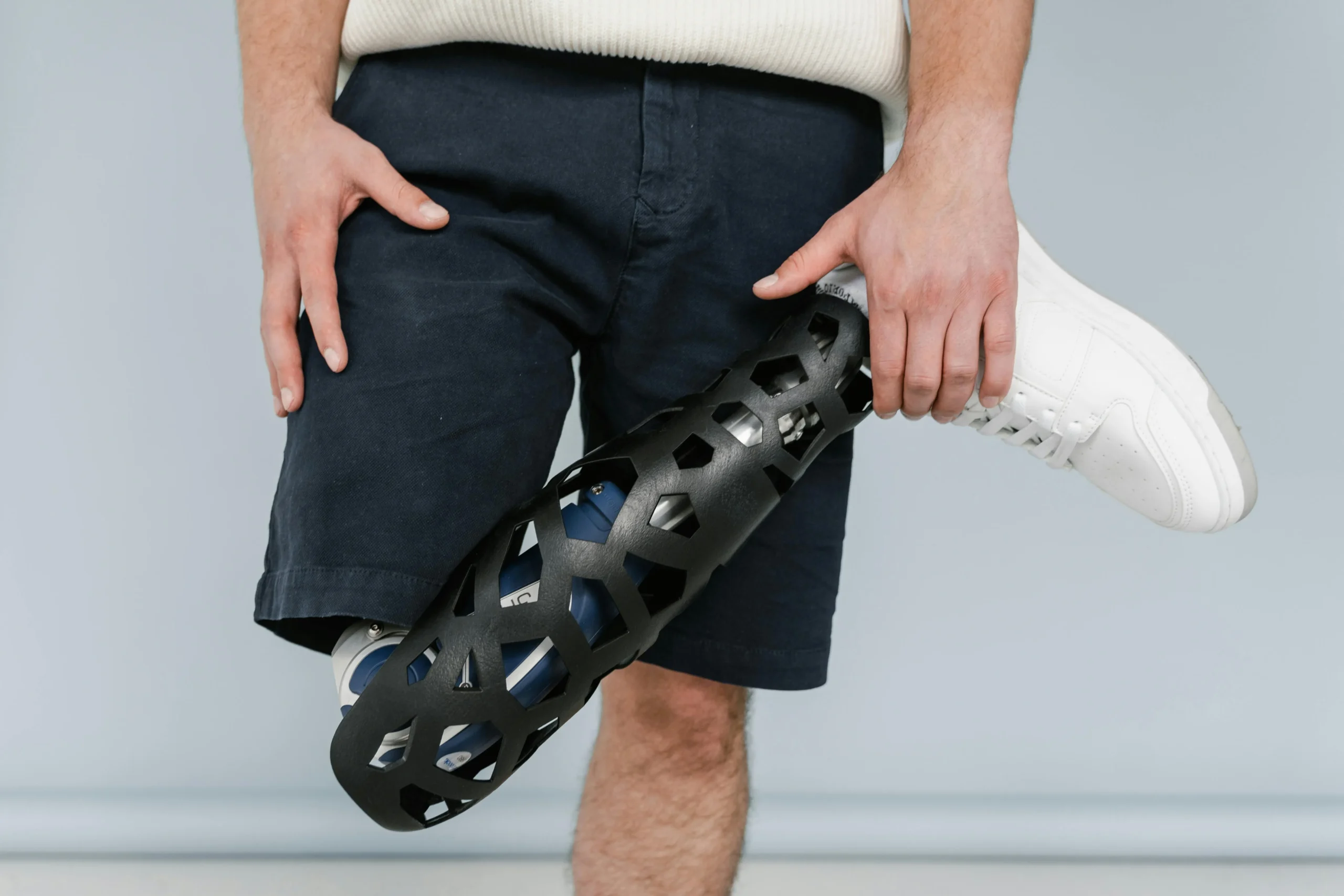
Let’s keep it simple. Robotic prosthetics are fake arms, hands, legs, or feet. But unlike regular ones, these are smart. They can move like a real body part.
Here’s what makes them special:
Sensors pick up signals from your muscles.
Motors help the limb move when you think about it.
Computer chips act like brains. They tell the limb what to do.
Batteries power everything inside.
Everything works together so you can walk, lift, grab, and do many tasks without help.
How Do Robotic Prosthetics Work?
It may sound like magic, but it’s science. Here’s how they work step-by-step.
You think about moving your arm. That thought makes your muscles send a signal. Sensors on the prosthetic read that signal. The chip inside figures out what to do. Motors start working to move the limb.
All this happens in less than a second. So when you want to wave, grab a spoon, or walk — it feels smooth and real.
Why Do People Use Robotic Prosthetics?
Not everyone is born with all their limbs. Some lose them due to accidents, illness, war injuries, or birth problems. Around 2 million people in the U.S. live without one or more limbs. Every year, over 185,000 people lose a limb. That’s a big number.
Robotic prosthetics give them back something important — movement. They don’t just help with daily tasks. They help people feel whole again.
Benefits of Robotic Prosthetics
Robotic prosthetics help people do everyday tasks with ease. They give users better grip and control, so grabbing a cup or buttoning a shirt becomes much simpler. Movements feel more natural, and robotic legs let people walk faster and smoother. Since these limbs bend at the joints, they take less effort to use. This makes it easier to get around without help. As a result, users often feel more confident and willing to socialize. They’re no longer shy or worried about being noticed for the wrong reasons.
Another big plus is independence. Robotic prosthetics let people dress themselves, eat, write, and handle chores alone. Many users even return to work or school, which improves their mental health and income. Compared to older prosthetics, the robotic ones cause less pain. That’s because they move with your body and reduce strain on other joints. Most users find them easy to control. After some practice, using these limbs starts to feel natural and becomes part of everyday life.
Important Facts and Stats
Let’s look at some real numbers to understand how helpful robotic prosthetics are.
People with robotic arms can grab things 40% more accurately.
Walking with robotic legs is 23% faster than with basic limbs.
Over 85% of users feel happier and more able to do daily tasks.
Around 60% can eat or write without help.
These numbers show that robotic prosthetics are not just useful — they work.
How Are They Made?
It takes a team to make one robotic limb. Here’s the basic process:
Doctors scan the limb to measure shape and size.
Engineers design the fit and feel.
The device is made using light, strong materials.
A computer chip is added with software.
The final limb is tested and adjusted.
Each part must fit the person’s body well. Good fitting makes the limb easier to use and more comfortable.
Cost and Support
It’s true. Robotic prosthetics can be expensive. Some high-end ones cost more than $50,000. But don’t lose hope.
There are ways to get help:
Insurance plans,
Non-profits and charities,
VA programs for veterans,
Government support for kids and adults.
Also, prices are slowly dropping. New parts are now made with 3D printers, which helps lower costs.
Technology Keeps Getting Better
Things are improving every year. Here are some cool updates:
Some limbs now connect to smartphone apps.
New sensors read nerve signals for faster response.
AI is helping limbs learn how you move and improve over time.
All this means better speed, strength, and smoothness.
Challenges People Face
While the benefits are big, a few challenges still exist.
1. Learning to Use It
It takes time to learn how to control it. Physical therapy is needed.
2. Charging the Limb
Since they run on batteries, they need daily charging.
3. Breakdowns
Moving parts can wear out. Repairs can be costly.
4. Not for Everyone
Some people may not qualify due to skin, nerve, or bone conditions.
However, many new models are fixing these issues. That’s good news for users.
Future of Robotic Prosthetics
Experts believe the future looks bright. More people will use robotic prosthetics as the tech improves.
Here’s what we may see next:
Fully waterproof limbs.
Fingers that feel touch.
Smart limbs that talk to the brain in real time.
Models that cost much less.
By 2035, over 3 million people in the U.S. could be using some type of smart limb. That’s a future full of new hope.
Real-Life Stories That Prove the Point
Let’s take a look at real people who use robotic prosthetics.
John, a builder, lost his leg in an accident. His robotic leg let him walk again in two months. He’s now back at work full-time.
Maya, a teen born without a hand, got a robotic one. She now paints, types, and even bakes cookies.
Alex, a veteran, uses a robotic arm to feed himself, play games, and ride his bike.
These are not rare stories. People around the world use robotic prosthetics daily — and they feel grateful for them.
Conclusion
There’s no question about it. Robotic prosthetics are changing how people live after limb loss. They bring movement back. They give people the chance to do everyday things again. Most importantly, they give people their lives back. If you or someone you know could use a hand — or a leg — this might be the right time to think about robotic prosthetics.
Need help figuring out where to start? Want to talk to someone who understands your needs? Looking for support that fits your life and your budget? Don’t wait to take that first step toward better living. Reach out to OPC and let us walk with you.