There were nights I cried myself to sleep and still showed up the next day. No one prepares you for what it feels like to lose a part of your body. At first, it’s the shock. Then, pain. Then silence. You try to carry on, but every step reminds you something’s missing. You smile for the people around you, but inside, it’s a different story.
Some amputees say it feels like a part of your soul is gone. Others describe it as a second birth, painful, confusing, but full of potential. One thing is certain: the journey after limb loss is personal, unpredictable, and deeply human. Here’s what it truly feels like, in the words of people who have lived it.
The Shock of Physical Loss
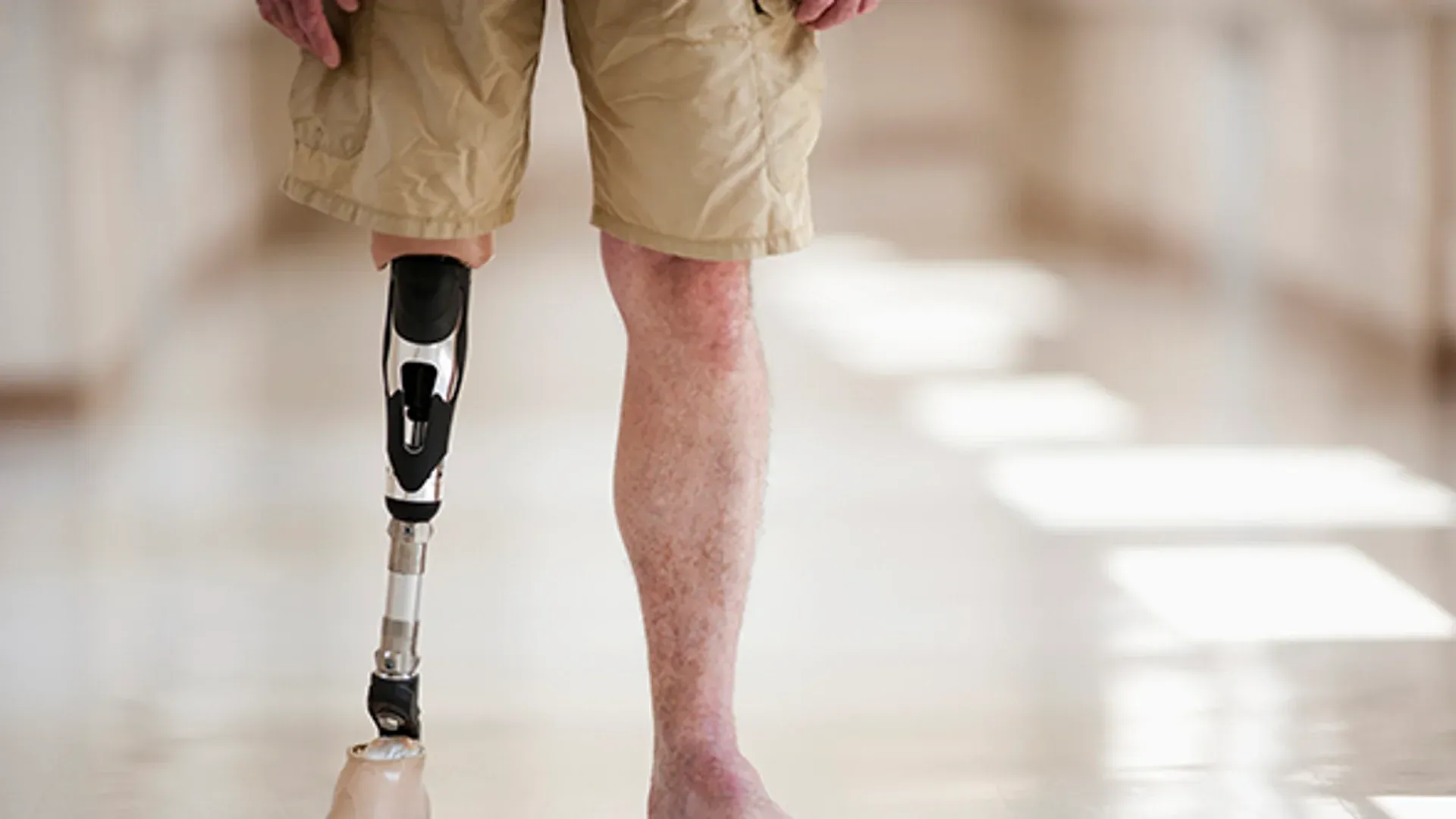
Most amputees recall the moment of realization. Whether through trauma or surgery, losing a limb doesn’t always feel real at first. Many wake up expecting to see their arm or leg, only to face emptiness. That absence is jarring.
Phantom sensations often appear early, itching, aching, or even burning in the limb that’s no longer there. It confuses the brain and makes healing more difficult. Add to that the challenge of re-learning how to sit, stand, and move, and the physical toll quickly becomes overwhelming.
What No One Talks About: Emotional Pain
The emotional aftermath is often worse than the physical one. Amputees speak of identity loss, embarrassment, and isolation. Even in rooms full of people, they feel invisible or worse, pitied.
There’s grief, not just for the limb, but for the version of life that no longer exists. For some, depression follows. Others hide the pain behind a brave face. But the internal questions stay: Who am I now? Will anyone understand me again?
Real Voices: How Amputees Describe the Journey
Losing a limb doesn’t just affect the body; it shakes the entire sense of self. The early days are often filled with emotions that words can barely hold. Here’s how a few people explained the early days after amputation:
- “I kept reaching for a leg that wasn’t there.”
- “My arm was gone, but it still hurt every day.”
- “I laughed with friends but cried in the shower.”
- “I thought losing my leg meant losing my future.”
Daily Life Looks Different
Everything changes, even the smallest things. Tasks like getting dressed, making coffee, or getting out of bed become challenges that require new strategies. It’s not just about mobility, it’s about self-reliance.
You begin to notice the things you used to take for granted, like brushing your teeth with both hands or carrying groceries without thinking twice. Over time, these tasks become manageable again, but only through trial, patience, and sheer determination.
Physical Adjustments: The Learning Curve
Physical recovery includes building strength, adapting to devices, and managing new sensations. Most amputees go through:
- Phantom limb pain, which can range from mild tingling to severe burning
- Muscle loss and the need to rebuild strength
- Prosthetic discomfort, especially in the early fitting stages
- Stump sensitivity requires daily care and attention
Relationships and Social Anxiety
Amputees often worry about how others see them. Will people stare? Ask rude questions? Avoid them? Some feel pressure to explain themselves constantly, while others retreat from social situations altogether.
Dating, friendships, and work environments can shift dramatically. Some people become more compassionate, while others become distant. This emotional rollercoaster is why support from peers or professionals becomes vital.
Coping Through Connection
Connection can be just as healing as medicine. When people feel seen and supported, emotional strength begins to return. Many find strength in:
- Peer groups where no explanation is needed
- Counseling to deal with grief and anxiety
- Creative outlets like journaling, painting, or music
- A daily structure that brings back routine and control
Rediscovering Identity After Amputation
The loss of a limb challenges your sense of self. For months or years, your mind still believes the missing limb exists. Eventually, the body and brain begin to sync again. Many amputees find new confidence, strength, and pride through this hard-earned transformation.
They return to school, start businesses, train for marathons, or become peer mentors. They learn to live not despite their limb loss, but with it. It becomes part of their story, not the whole of it.
Phantom Pain and Mental Strain
Many amputees say phantom pain is the hardest part to explain. It feels like the brain refuses to accept the truth. Along with it comes:
- Sudden emotional triggers
- Insomnia or restlessness
- Fear of further loss
- A strange sense of guilt for surviving
What Amputees Wish You Knew
Amputees often express that people mean well, but don’t always know what to say. They don’t want pity or fear, just understanding. Many say:
- “Don’t ask what happened unless you’re ready to listen.”
- “Don’t assume I’m fragile.”
- “Sometimes I just need silence, not sympathy.”
Conclusion
Losing a limb isn’t just about losing part of your body. It touches every part of your life—physically, emotionally, and spiritually. It’s confusing, exhausting, and often deeply painful. But within that pain, there is strength. There is growth. There is still life waiting to be lived.
If you’ve lost a limb or love someone who has, know this: you’re not alone. The road is hard, but others have walked it before you. There is community. There is healing. And there is hope.
Need someone to talk to?
Reach out to an amputee support group, a therapist, or a peer who’s been there. Your story matters. And this chapter is far from the end.