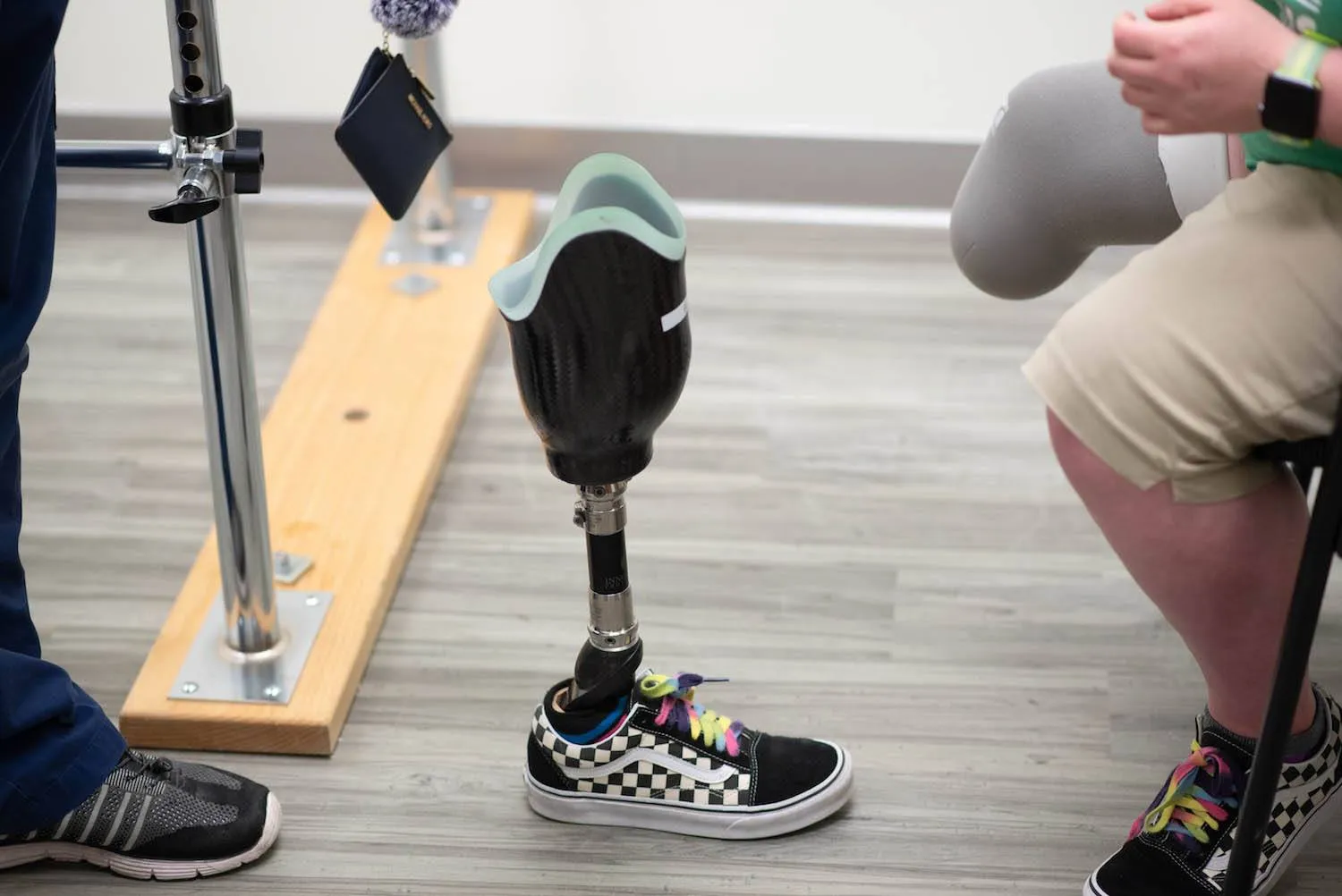
Phantom limb pain can be disorienting and emotionally challenging. Individuals often feel sensations, tingling, or even sharp pain in a limb that is no longer physically present. These experiences can be unpredictable and may affect sleep, mood, and daily activities. Managing phantom limb pain is crucial for regaining comfort, confidence, and independence in everyday life.
By understanding the underlying causes and exploring a combination of therapeutic techniques, sensory exercises, and lifestyle adjustments, it is possible to reduce discomfort and improve overall well-being. With the right strategies, people can regain control and lead a more comfortable, active life despite these unusual sensations.
Understanding Phantom Limb Pain
After an amputation, the brain still maintains a “map” of the missing limb. This can lead to sensations or discomfort known as phantom limb pain. People describe feelings of itching, tingling, burning, or stabbing. The intensity varies from mild to severe.
Interestingly, studies show that up to 80% of amputees experience phantom limb sensations. The brain sometimes sends signals as if the limb were still there, which can create confusion and pain.
Recognizing that phantom limb pain is real and not imagined is the first step in learning how to manage phantom limb pain. Awareness helps in choosing the right strategies for relief.
Mirror Therapy: Using Visual Feedback
Mirror therapy is one of the most effective methods for managing phantom limb pain. It works by creating the illusion that the missing limb is moving.
How it works:
- Place a mirror in front of your intact limb.
- Move the intact limb while looking at its reflection.
- The brain interprets the reflection as movement in the missing limb.
Over time, this visual feedback can help the brain “relearn” normal movement patterns, reducing pain. Many people report a 30–50% decrease in pain after consistent practice over weeks.
Mirror therapy is simple, cost-effective, and can be done at home. For best results, practice daily for 10–15 minutes, gradually increasing the duration.
Sensory Discrimination Training
Sensory discrimination training involves retraining the brain to correctly interpret signals from the residual limb. Managing phantom limb pain often requires this approach to reduce confusion in the brain’s map.
Steps to practice:
- Touch your residual limb with various textures such as silk, cotton, or sandpaper.
- Identify shapes or objects hidden under a cloth using touch.
- Track progress over days to improve accuracy and reduce pain.
This training strengthens neural pathways and can reduce misfiring signals that cause pain. Many people notice improved sensation and less discomfort within 4–6 weeks.
Electrical Stimulation Therapy (TENS)
Transcutaneous Electrical Nerve Stimulation (TENS) uses low-level electrical currents to relieve pain.
How it helps:
- Electrodes are placed on the residual limb.
- Mild electrical pulses stimulate nerves and interrupt pain signals.
- Sessions typically last 20–30 minutes, up to twice a day.
TENS is non-invasive and safe for most people. It is often combined with mirror therapy or sensory training for better results. Studies show up to 40% improvement in pain relief with regular TENS use.
Graded Motor Imagery
Graded motor imagery is a structured approach to retraining the brain. It uses three stages:
- Laterality Recognition – Identifying left or right limb images.
- Motor Imagery – Imagining movements of the missing limb.
- Mirror Therapy – Practicing visual feedback exercises.
Following this step-by-step plan gradually reduces phantom sensations. Many patients experience noticeable improvement within 8–12 weeks. Graded motor imagery is often combined with other methods to maximize results.
Virtual Reality Therapy
Virtual reality (VR) therapy immerses users in a 3D environment where they control a virtual version of their missing limb.
Benefits include:
- The brain perceives normal movement in the absent limb.
- Pain signals reduce because the brain’s map adjusts.
- Sessions last 15–30 minutes and can be repeated daily.
VR is effective for complex or resistant phantom limb pain. Even short daily sessions can lead to a 20–30% reduction in pain intensity within weeks.
Cognitive Behavioral Therapy (CBT)
CBT helps people manage the emotional impact of phantom limb pain. Managing phantom limb pain isn’t only about physical sensations; it also involves addressing stress, anxiety, and frustration.
CBT techniques include:
- Identifying negative thought patterns related to pain.
- Replace them with positive coping strategies.
- Practicing relaxation exercises and mindfulness.
People who combine CBT with physical methods often report better pain control and improved mood.
Desensitization Techniques
Desensitization reduces hypersensitivity in the residual limb. This method involves gradually exposing the limb to different stimuli:
- Light touch with fabrics
- Gentle tapping
- Pressure with soft balls or sponges
This gradual approach can reduce the overreaction of nerves and ease pain. Over 4–6 weeks, sensitivity often decreases, helping with daily comfort and mobility.
Lifestyle Adjustments
Lifestyle modifications play a supportive role in managing phantom limb pain.
Helpful habits include:
- Regular exercise improves circulation and mood.
- A healthy diet rich in anti-inflammatory foods.
- Adequate sleep helps the brain recalibrate.
- Stress reduction through meditation or yoga.
Even small daily improvements can lead to noticeable pain reduction and increased emotional well-being.
Support Groups and Community
Connecting with others experiencing phantom limb pain can be very beneficial.
- Sharing experiences reduces feelings of isolation.
- Learning practical tips from peers can improve management strategies.
- Emotional support often improves the effectiveness of other treatments.
Many people report that joining a support group increases their confidence in managing pain and improves overall quality of life.
Table: Comparing Methods for Managing Phantom Limb Pain
Method | Description | Effectiveness | Recommended Frequency |
Mirror Therapy | Uses reflection to retrain the brain | High | Daily 10–15 minutes |
Sensory Discrimination | Touching textures to retrain nerves | Moderate | Daily 10 minutes |
TENS | Electrical stimulation of the residual limb | Moderate | 1–2 times per day |
Graded Motor Imagery | Step-by-step brain retraining | High | Daily |
Virtual Reality Therapy | Virtual limb movement | High | Daily 15–30 mins |
Cognitive Behavioral Therapy | Emotional and behavioral strategies | High | Weekly sessions |
Desensitization | Gradual exposure to reduce sensitivity | Moderate | Daily 10–15 minutes |
Lifestyle Adjustments | Exercise, diet, sleep, stress reduction | Moderate | Daily |
Support Groups | Peer support and sharing strategies | High | Weekly or as needed |
Benefits of Managing Phantom Limb Pain
Phantom limb pain can be confusing and frustrating, leaving individuals unsure how to cope with sensations in a missing limb. Learning practical strategies for managing phantom limb pain can improve comfort, mobility, and overall quality of life. Many people experience tingling, burning, or sharp pains that interfere with daily routines and sleep.
Using non-invasive therapies alongside supportive approaches often provides significant relief. Understanding the benefits of these methods empowers individuals to regain control over both physical and emotional challenges while improving daily functioning.
1. Improved Pain Control
One of the main benefits of managing phantom limb pain is better control over discomfort. Techniques like mirror therapy and sensory discrimination retrain the brain to reduce misfiring pain signals. With consistent practice, many people experience a 30–50% decrease in pain intensity. This benefit allows for more comfortable daily activities, better concentration, and improved sleep.
2. Improved Mobility
A major advantage of strategies for managing phantom limb pain is increased freedom of movement. Mirror therapy and graded motor imagery encourage the brain to perceive normal motion, making walking, stretching, and using prosthetics easier. Improved mobility benefits overall health by boosting circulation, muscle strength, and independence.
3. Reduced Emotional Stress
Chronic phantom limb pain can lead to anxiety, frustration, and isolation. Cognitive behavioral therapy and support groups help address the emotional side of pain. One of the key benefits of managing phantom limb pain is reduced stress and improved mental well-being. Individuals feel calmer, more resilient, and better equipped to cope with daily challenges.
4. Faster Rehabilitation
Implementing therapies early supports quicker recovery after amputation. TENS therapy, desensitization, and mirror therapy retrain the nervous system effectively. A clear benefit of managing phantom limb pain is accelerated rehabilitation, allowing individuals to adapt faster to prosthetics and regain daily functionality.
5. Better Sleep Quality
Pain often interrupts sleep, leaving individuals fatigued and less productive. Effective strategies for managing phantom limb pain help restore normal sleep patterns. Reduced nighttime discomfort ensures better rest, higher energy levels, and improved focus during daily activities.
6. Increased Confidence and Independence
As pain decreases, individuals regain confidence in their abilities. Participating in social activities, work, and hobbies becomes easier. A key benefit of managing phantom limb pain is restored independence, allowing people to live more active, fulfilling lives without fear of constant discomfort.
7. Long-Term Brain Adaptation
Consistent use of therapies like mirror therapy, graded motor imagery, and sensory training supports long-term neural adaptation. The brain gradually learns to adjust to the missing limb, reducing recurring phantom sensations. One of the most important benefits of managing phantom limb pain is lasting relief, improving overall comfort and quality of life.
Conclusion
Managing phantom limb pain requires a combination of strategies tailored to individual needs. Physical exercises, mirror therapy, sensory training, and cognitive techniques all play important roles. Lifestyle adjustments and emotional support further improve comfort and quality of life.
By practicing these strategies consistently, people can regain control over their daily routines and experience a significant reduction in phantom limb sensations. Take the first step toward improved daily comfort by contacting OPC Rehab today.
FAQs
- How long does it take to see improvement with these therapies?
Improvement varies by individual. Many people notice some relief within 4–6 weeks of consistent practice, while full benefits may take a few months. - Are these methods safe to do at home?
Yes, most of these strategies, such as mirror therapy, sensory exercises, and lifestyle adjustments, are safe when practiced carefully. Guidance from a professional is recommended for the best results. - Can lifestyle changes really make a difference?
Absolutely. Regular exercise, proper nutrition, adequate sleep, and stress management all support overall well-being, which can reduce discomfort and improve recovery. - Do support groups help with daily challenges?
Yes, connecting with peers who understand similar experiences provides emotional support and practical tips. Many individuals find relief and encouragement by sharing strategies and stories. - Are these therapies suitable for everyone?
While most people can benefit, some therapies may need adjustments based on age, health, or specific conditions. Consulting with a professional ensures the safest and most effective approach.