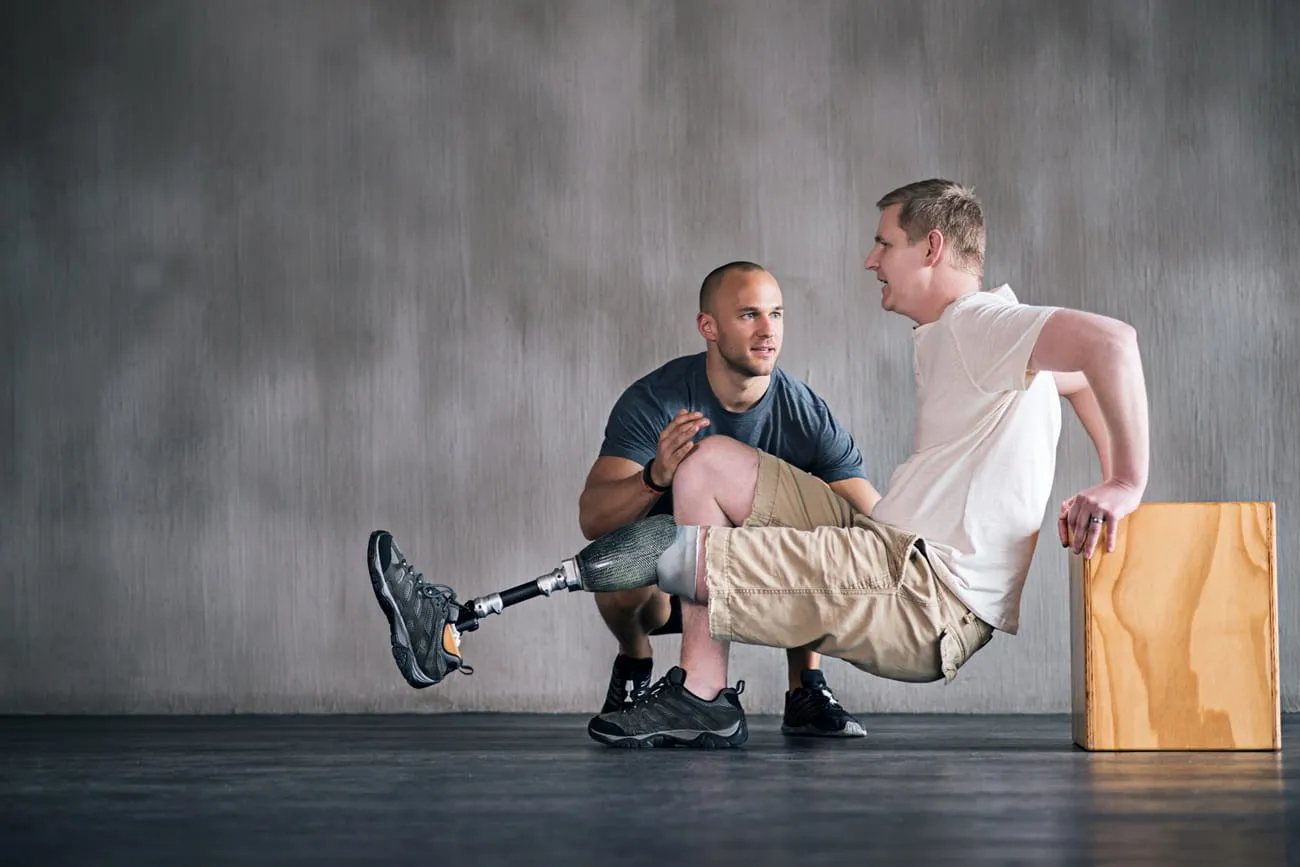
Experiencing limb loss is one of the most challenging life events. Beyond the physical adjustments, the psychological effects of losing a limb can impact emotional well-being, daily functioning, and social interactions. Many individuals report grief, frustration, anxiety, or fear of dependence. The emotional journey is often as complex as the physical recovery.
At OPC Rehab, we emphasize strategies to support mental health, rebuild confidence, and regain autonomy. Addressing these psychological effects is crucial for overall recovery. This blog provides a comprehensive guide on understanding these effects and the coping mechanisms that help manage them. It also explores support systems and tools that facilitate long-term emotional adjustment.
Understanding the Psychological Effects of Losing a Limb
Limb loss triggers multiple psychological responses, often interlinked. Understanding these responses is the first step to addressing them effectively.
- Grief and Emotional Loss
Many individuals experience grief similar to losing a loved one. The grief stems from losing previous independence, abilities, and lifestyle. According to research, over 60% of amputees report significant emotional distress in the first six months. - Depression and Anxiety
Depressive symptoms affect approximately 40% of individuals with limb loss. Anxiety often accompanies depression, as individuals worry about mobility, prosthetic use, or social judgment. - Body Image and Self-Esteem Issues
Amputation alters appearance, leading to self-consciousness or social withdrawal. Nearly 50% of amputees report negative impacts on confidence and public interactions. - Phantom Limb Sensations
Approximately 80% of amputees suffer phantom limb symptoms. Painful or tingling sensations can disrupt sleep, mood, and focus. - Loss of Independence and Daily Function
Adjusting to daily tasks can be stressful. Lack of independence can lead to feelings of frustration and reduced self-worth.
Psychological Effects Table
Effect | Prevalence (%) | Common Impact |
Depression | 40 | Persistent low mood, loss of motivation |
Anxiety | 35 | Worry about mobility, social situations |
Phantom Limb Sensations | 80 | Discomfort, sleep disruption |
Body Image Issues | 50 | Social withdrawal, lowered self-esteem |
Grief and Loss | 60 | Emotional distress, sadness |
By understanding these effects, individuals and caregivers can implement targeted coping strategies.
Coping Strategies for the Psychological Effects of Losing a Limb
Losing a limb can profoundly impact a person’s life, affecting both physical abilities and emotional well-being. Understanding the psychological effects of losing a limb is key for effective recovery. Emotional challenges like grief, anxiety, and frustration often occur alongside physical adaptation. Targeted coping methods can boost resilience while also improving quality of life. They also promote independence. Using multiple approaches usually achieves the best results.
- Professional Counseling and Therapy
Working with licensed psychologists or counselors helps individuals process grief and anxiety. Cognitive behavioral therapy (CBT) assists in challenging negative thoughts and building resilience. - Peer Support Groups
Sharing experiences with people who have experienced limb loss reduces feelings of isolation. Studies show participation in peer groups improves emotional resilience by 30% and motivates rehabilitation efforts. - Setting Realistic Daily Goals
Small, achievable goals encourage independence. For example, using adaptive tools to complete one task daily can gradually restore confidence. - Physical Rehabilitation
Engaging in structured exercise and therapy helps restore mobility and coordination. Physical activity also stimulates endorphins, naturally reducing stress and anxiety. - Mindfulness and Relaxation Techniques
Meditation, breathing exercises, and yoga improve focus, regulate emotions, and reduce stress. Regular practice enhances overall mental well-being. - Maintaining Social Connections
Keeping in touch with friends, family, or community reduces isolation and boosts self-esteem. Social engagement plays a key role in emotional recovery. - Journaling and Emotional Expression
Recording feelings allows individuals to process grief, track progress, and celebrate small victories. Journaling has been shown to decrease depressive symptoms by 20% in rehabilitating individuals. - Education and Knowledge
Understanding prosthetics, rehabilitation techniques, and adaptive strategies empowers individuals to actively participate in recovery. - Engagement in Hobbies and Recreation
Hobbies, sports, and artistic outlets offer happiness, normality, and incentive. Adaptive activities increase confidence and independence. - Structured Routine
A daily schedule including therapy, exercise, and leisure helps create stability. Routine reduces uncertainty and emotional stress.
Role of Family and Caregivers
Family members and caregivers play a vital role in helping individuals manage the psychological effects of losing a limb. Their consistent support influences emotional recovery, enhances confidence, and improves overall rehabilitation outcomes. Active involvement ensures that the individual feels understood, valued, and motivated throughout their recovery journey. Research shows that strong caregiver participation can improve emotional well-being in up to 50% of amputees during the first year.
Encouragement and Positive Reinforcement
Acknowledging even small accomplishments boosts morale and strengthens confidence. Celebrating progress, like completing a new rehabilitation exercise or successfully using a prosthetic device, motivates individuals to continue their efforts. Positive reinforcement helps reduce the psychological effects of losing a limb by encouraging resilience and emotional stability. Simple gestures, words of affirmation, and recognition of milestones create a nurturing environment essential for recovery.
Active Participation in Therapy
When family members attend rehabilitation sessions, they provide continuity and emotional support. Observing therapy techniques allows them to assist at home effectively, reinforcing exercises and adaptive strategies. This direct involvement reduces frustration and ensures consistent progress. By actively participating, caregivers help lessen the psychological effects of losing a limb, creating a smoother adjustment period for the individual.
Open Communication
Encouraging honest and empathetic conversations about feelings, fears, and frustrations can help reduce emotional isolation. Open communication enables caregivers to identify early signs of stress, anxiety, or depression. Individuals feel heard and understood, which is crucial for managing the psychological effects of losing a limb. Regular discussions foster trust and create a safe space to express challenges without judgment.
Assistance with Daily Activities
Caregivers can assist with daily tasks while allowing the individual to maintain their independence. Guiding someone rather than completing tasks for them builds confidence and practical skills. This balance of support and autonomy helps reduce dependency and mitigates the psychological effects of losing a limb by fostering self-efficacy and emotional resilience.
Monitoring Emotional Health
Caregivers play a crucial role in noticing early signs of emotional distress, such as withdrawal, irritability, or depression. Timely intervention, including seeking professional counseling or additional therapy, can prevent long-term emotional setbacks. By staying attentive to emotional health, family members directly contribute to mitigating the psychological effects of losing a limb and promoting recovery.
Promoting Independence While Offering Support
Beyond daily assistance, caregivers should encourage decision-making and problem-solving. Allowing the individual to make choices about routines, prosthetic use, and activities strengthens self-confidence. This approach minimizes feelings of helplessness, which are often part of the psychological effects of losing a limb, and supports long-term adjustment to life post-amputation.
Creating a Supportive Environment
The home environment plays a crucial role in emotional healing. Simple adjustments, like accessible spaces, adaptive tools, and reminders for therapy, create a safe and empowering atmosphere. A supportive environment reduces anxiety, encourages engagement in rehabilitation, and lessens the psychological effects of losing a limb by promoting autonomy and stability in daily life.
Adaptive Tools and Technologies
Adaptive tools significantly improve emotional adjustment and independence. These devices reduce frustration and increase confidence.
- Prosthetic Arms and Hands
Advanced prosthetics restore daily functionality, allowing individuals to perform tasks independently. - Assistive Devices
Adaptive utensils, grabbers, and mobility aids provide practical support for daily activities. - Smart Devices and Sensors
Wearable sensors track movement, monitor prosthetic use, and help improve rehabilitation results.
Adaptive Tools Table
Tool Type | Purpose | Impact on Mental Health |
Upper Limb Prosthetic | Restore hand/arm function | Increases independence and confidence |
Mobility Aids | Assist with daily movements | Reduces frustration and stress |
Smart Sensors | Track exercises and limb usage | Enhances confidence and progress tracking |
Adaptive Utensils | Enable self-feeding and daily tasks | Promotes autonomy and self-esteem |
Long-Term Emotional Resilience
Sustaining emotional resilience is essential for ongoing recovery and adapting to life after limb loss. Understanding the psychological effects of losing a limb helps individuals recognize emotional challenges that may arise even years after the initial loss. This section focuses on strategies that support lasting mental and emotional well-being.
Ongoing Therapy
Regular counseling and professional support help individuals manage stress, anxiety, and adjustment challenges. Therapy sessions provide a safe space to process difficult emotions and develop coping mechanisms. Consistent engagement reduces the long-term effects of losing a limb by keeping emotional challenges manageable and preventing feelings of isolation or frustration.
Celebrate Progress
Acknowledging small achievements, such as mastering prosthetic movements or completing rehabilitation exercises, motivates continued effort. Celebrating progress shifts focus from limitations to growth, directly reducing stress and fostering confidence. Recognizing personal victories helps mitigate the long-term effects of losing a limb, reinforcing a sense of accomplishment and self-worth.
Community Engagement
Participation in volunteer work, support groups, or social activities fosters a sense of belonging and purpose. Engaging with others who understand similar experiences provides validation, encouragement, and emotional support. Studies indicate that community involvement improves resilience, increases life satisfaction, and lowers depression, helping manage the psychological effects of losing a limb more effectively.
Continuous Learning
Staying informed about prosthetic technologies, adaptive tools, and rehabilitation techniques empowers individuals to take control of daily activities. Knowledge enhances independence and allows for better decision-making during recovery. Continuous learning strengthens resilience and mitigates challenges related to the long-term psychological effects of losing a limb.
Positive Mindset
Focusing on abilities rather than limitations fosters confidence, self-reliance, and emotional stability. Practicing gratitude, setting achievable goals, and maintaining optimism counteract negative thoughts and promote mental well-being. Individuals with a positive mindset report higher life satisfaction, lower depressive symptoms, and increased independence, effectively reducing the emotional impact of limb loss.
Conclusion
The psychological effects of losing a limb are profound but manageable. Combining professional counseling, peer support, rehabilitation, adaptive tools, and structured coping strategies fosters confidence, independence, and emotional well-being. At OPC Rehab, we provide guidance and resources to help every individual regain control, embrace independence, and live a fulfilling life. Effective coping is not just about adaptation; it is about building resilience and creating meaningful, confident daily experiences.
Managing the psychological effects of losing a limb begins with guidance and support. At OPC Rehab, we offer expert counseling, adaptive tools, and structured strategies to rebuild independence and confidence.
FAQs
- How long does psychological adjustment take after limb loss?
Most individuals adapt emotionally within 6–12 months with proper support and strategies. - Can peer support groups improve recovery?
Yes, peer support reduces isolation, builds motivation, and strengthens emotional resilience. - Do adaptive tools help mental health?
Yes, prosthetics and assistive devices increase independence and reduce stress. - Should family members be involved in therapy?
Yes, active family involvement enhances emotional support and accelerates adjustment. - Are mindfulness and relaxation techniques effective?
Absolutely. Regular practice improves focus, emotional regulation, and stress management.